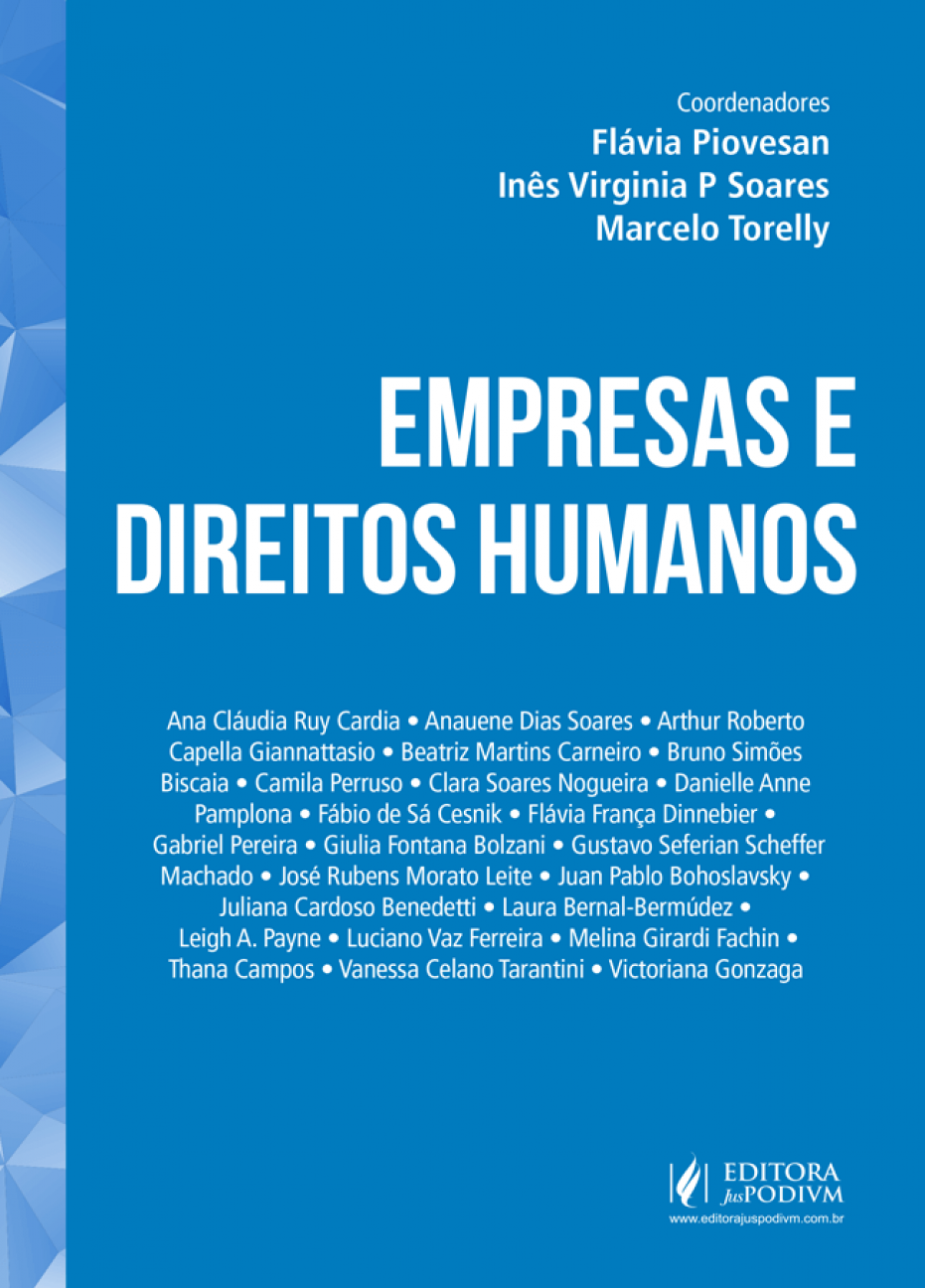
This chapter argues that Latin America has played a leading role in developing “bottom‑up” mechanisms to hold economic actors accountable for their complicity in human rights violations under authoritarian regimes and in armed conflicts. Drawing on a database of cases of corporate accountability in transitional justice, the authors trace how corporate complicity has moved from being largely ignored by scholars and practitioners to becoming an increasingly central concern of truth commissions, domestic judicial actions, and emerging regional and international norms. They reconstruct the history, concept, and evolution of corporate complicity within transitional justice, showing that Latin American actors—victims’ organizations, NGOs, lawyers, and some courts—have repeatedly pushed the agenda forward and achieved limited successes despite significant political and legal obstacles. The chapter develops a “justice from below” argument: grassroots and domestic initiatives in the region are driving doctrinal and institutional innovation on business and human rights, helping to close accountability gaps and reinforcing, from below, broader international efforts to establish binding obligations for companies involved in serious human rights abuses.
Contact us

We use only essential cookies that keep this site working properly. We don’t collect or share personal data. You can accept or deny cookies at any time.