

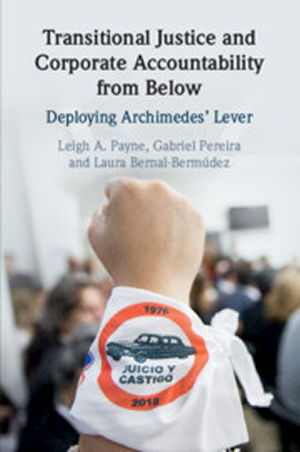
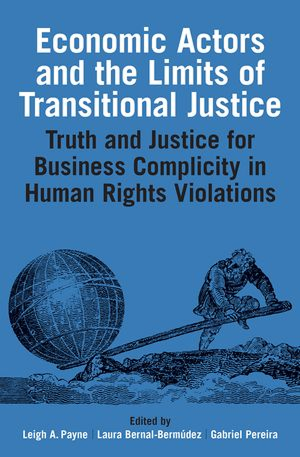
Bruno Tesch was tried and executed for his company’s Zyklon B gas used in Nazi Germany’s extermination camps. This book examines this trial and the more than 300 other economic actors who faced prosecution for the Holocaust’s crimes against humanity. It further tracks and analyses similar transitional justice mechanisms for holding economic actors accountable for human rights violations in dictatorships and armed conflict: international, foreign, and domestic trials and truth commissions from the 1970s to the present in every region of the world. This book probes what these accountability efforts are, why they take place, and when, where, and how they unfold. Analysis of the authors’ original database leads them to conclude that ‘corporate accountability from below’ is underway, particularly in Latin America. A kind of Archimedes’ lever places the right tools in weak local actors’ hands to lift weighty international human rights claims, overcoming the near absence of international pressure and the powerful veto power of business.
The book addresses the gap in transitional justice literature, which often overlooks the role of economic actors (corporations) in past and present human rights violations. It uses case studies from diverse contexts, including authoritarian regimes (Argentina, Brazil, Chile, Peru) and post-conflict settings (Colombia, South Africa, Philippines, Honduras). It investigates the tools used for corporate accountability, such as domestic civil, criminal, and administrative law, and international human rights instruments. The book introduces a novel theoretical framework based on the “Archimedes’ Lever” concept; it explains how even relatively weak actors (victims of corproate abuses in the Global South) can use institutional innovation to apply pressure on corporations for human rights accountability. The core question the book aims to address is how societies can overcome the legacy of impunity and achieve justice when businesses are complicit in serious human rights violations, a process that has historically seen few legal or financial consequences for corporations.
Publications


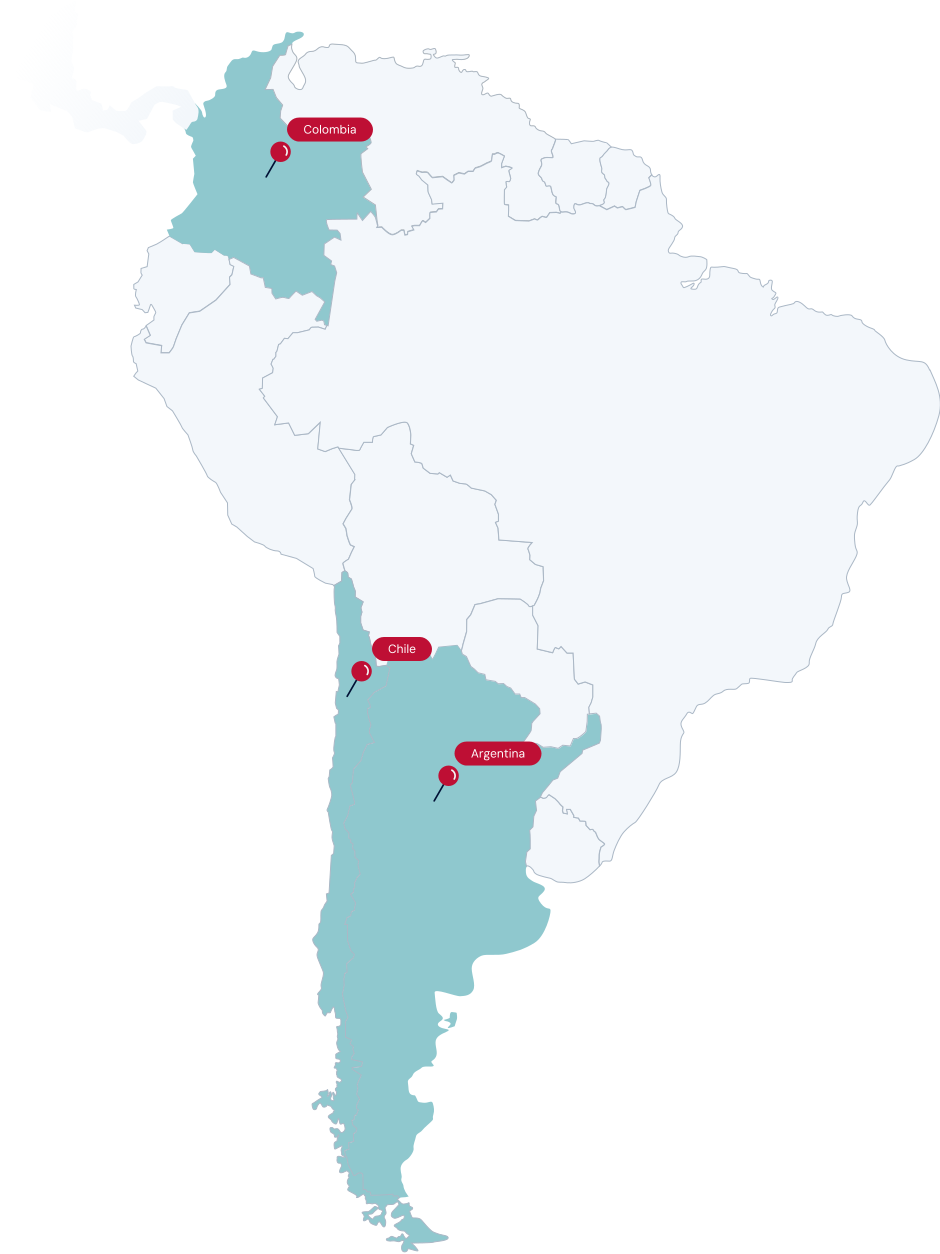
CATJ operates across several transitional justice contexts, with a strong foundation in Latin America:
Argentina – Strategic litigation around corporate complicity during the dictatorship.
Colombia – Legal and policy influence in the post-conflict era, particularly through the Justice and Peace process and after the Peace Agreement with the FARC.
Chile – Collaboration on accountability processes for businesses involved in past regime violence.
The project also contributes to broader global discussions on transitional justice, supporting scholars and civil society organizations seeking justice beyond Latin America.








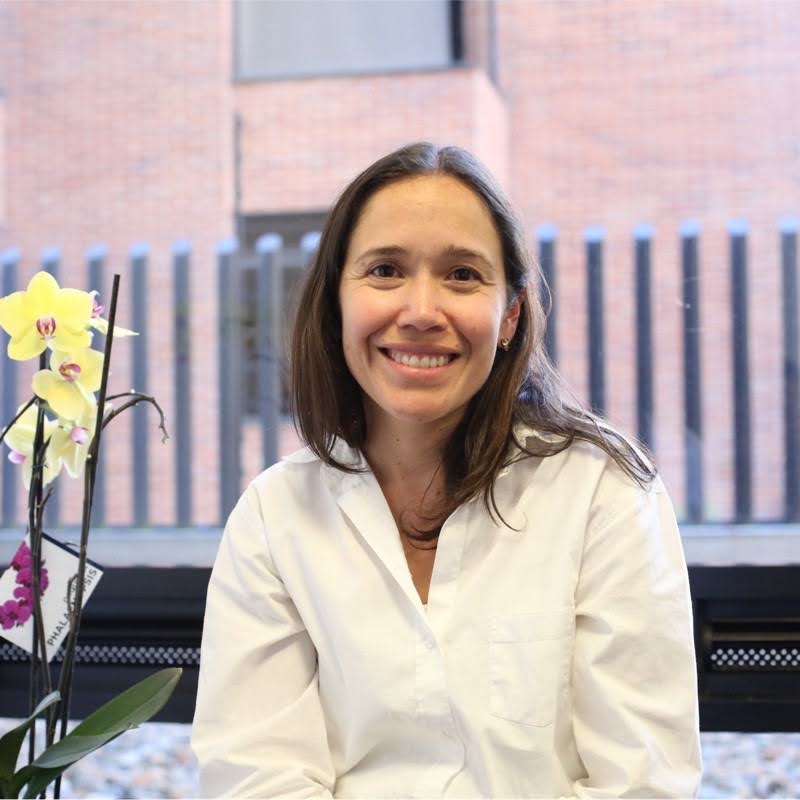
We undertook the coding of corporate accountability as part of the“Alter-native Accountabilities”grant funded by the National Science Foundation-Arts and Humanities Research Council. On that project we collaborated with Professor Kathryn Sikkink and her team at the University of Minnesota: ,Geoff Dancy, Verónica Michel, and Bridget Marchesi. Other members of the research team included: Alec Albright, Brooke Coe, Emalie Coplan, Holly Dunn, Grace Fiddler, Katherine Franzel, Marie-Christine Ghreichi, Katrina Heimark, Daniel Johnson, Meagan Johnson, Maggie Loeffelholz, Moira Lynch, Cameron Mailhot, Florencia Montal ,Zachary Payne-Meili, Farrah Tek, and Marcela Villarrazo.Other participants on the initial phase of this project include: Andrew Reiter at Mt Holyoke College, Tricia Olsen at the University of Denver-Daniels School of Business, and from the University of Oxford Francesca Lessa, Emily Braid, and Pierre Le Goff. As we began to develop the CATJ database, we benefited from research assistance from University of Oxford affiliated researchers–Kathryn Babineau, Ivo Bantel, Lina Malagón, Maike Sieben, and Julia Zulver–and University of Minnesota Law students Mary Beall and Ami Hutchinson.
ANDHES researchers: Josefina Doz Costa, Cynthia Ovejero.
We use only essential cookies that keep this site working properly. We don’t collect or share personal data. You can accept or deny cookies at any time.
Full list of publications by Leigh A. Payne
Over the past decade, our research on corporate accountability and transitional justice has generated sustained impact beyond academia. Working with victims, civil society organizations, prosecutors, judges, and international bodies, we have translated cutting-edge empirical academic research into litigation, policy reform, advocacy, and institutional change. Our impact activities span strategic litigation, international human rights advocacy, practitioner guidance, and public engagement, contributing to concrete accountability processes and to the strengthening of legal and policy frameworks addressing corporate involvement in human rights violations. The activities listed below document these efforts in chronological order: