Confessions to Violence

Exploring Perpetrators’ Confessions to Violence and Sexual Crimes in Post-Conflict Contexts

The project investigates how perpetrators of violence—state agents, revolutionary groups, and armed actors—confess to their crimes in the aftermath of conflict. By studying public confessions to state violence, revolutionary violence, and rape, it seeks to understand how truth-telling can challenge denial, foster accountability, and contribute to transitional and restorative justice. Using comparative case studies and a global database of confessions, the project aims to identify the conditions under which these admissions lead to transformative, norms-enhancing outcomes that validate survivors and promote social repair.
What we do

Understanding Confessions After Conflict

We study how individuals and groups responsible for violence during armed conflicts confront their past through confession. Our work focuses on three areas: State perpetrators’ confessions to human rights abuses, Revolutionary left confessions to political and armed violence and Confessions to rape as a form of conflict-related sexual violence. By examining these practices, we aim to uncover how confessions shape memory, justice, and coexistence in post-conflict societies—revealing not only what perpetrators say, but how their words influence survivors, institutions, and democratic rebuilding.
State Perpetrators’ Confessions to Violence

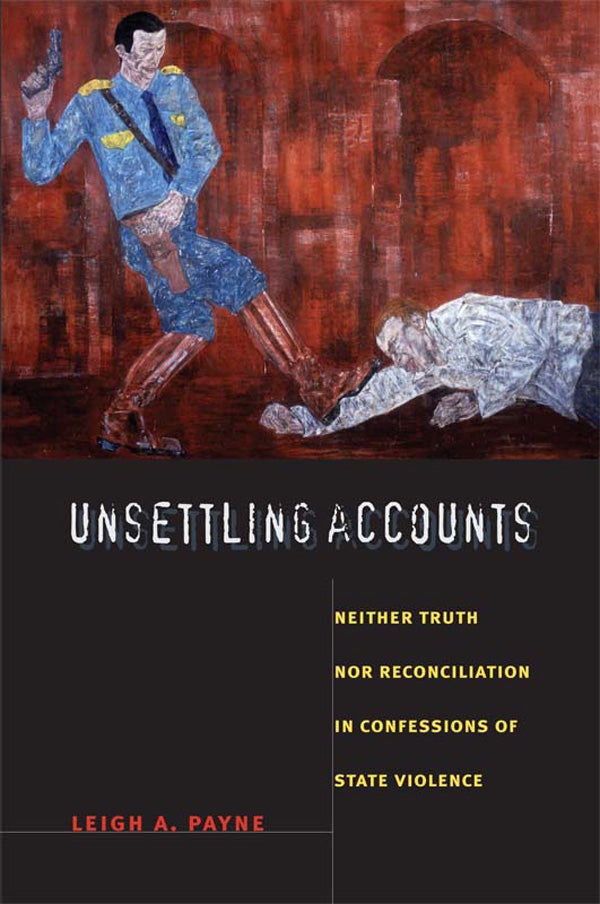
Unsettling Accounts of State Violence

978-0-8223-4082-9_pr

Leigh A. Payne’s work on Perpetrators’ Confessions to State Violence examines how public confessions by perpetrators of state violence impact newly formed democracies. She emphasizes the "unsettling" nature of confession, challenging the common assumption that mechanisms like Truth and Reconciliation Commissions "settle" the past. She argues that public confessions are inherently unsettling and do not lead to immediate national reconciliation. Instead, they catalyze contentious debate. Confessions trigger public disagreement and "dialogic warfare" between victims, perpetrators, and society. Yet Payne suggests this contentious debate is actually healthy for democratic processes as it promotes political participation, freedom of expression, and the open contestation of political ideas.

For this project, Payne received funding from:

  • The John D. and Catherine T. MacArthur Foundation Research and Writing Grant, 2001
  • Social Science Research Council-MacArthur Foundation, Global Security Program Fellowship on Conflict, Peace and Social Transformations, 2001
  • Franklin Center Book Award, Duke University Press, 2007


Spanish translation

The book was translated into Spanish and a chapter on Colombia was added. View here

Confessions to Violence in the Franco Era

Together with Paloma Aguilar, Leigh A. Payne worked on Confessions to Violence in the Franco Era.

Team:

The research for this book was conducted by Professor Leigh A. Payne when she was at the University of Wisconsin-Madison. She benefitted from research by graduated students–Yousun Chung, Valerie Hennings, Tricia Olsen, Kerry Ratigan, Marcela Rios Tobar, and Jelena Subotic–and undergraduates–Jennifer Cyr, Hillary Hiner, Jessica Menaker, Sheri Wright Linzell, Heidi Smith, and Nicole Wegner.

Publications:
  • (2020). Leigh A. Payne, “Contentious Coexistence”. In Sara Cobb, Sarah Federman and Alison Castel (Eds.), Introduction to Conflict Resolution: Discourses and Dynamics. Rowman & Littlefield. View more
  • (2019). Leigh A. Payne, “Unsettling Accounts: Perpetrators’ Confessions in the Aftermath of State Violence and Armed Conflict”. In Susanne C. Knittel and Zachary J. Goldberg (Eds.), The Routledge International Handbook of Perpetrator Studies. Routledge. View more
  • (2018) Paloma Aguilar Fernández and Leigh A. Payne, El resurgir del pasado en Espaňa: Fosas de víctimas y confesiones de verdugos. Taurus.
  • (2016) Paloma Aguilar and Leigh A. Payne, Revealing New Truths About Spain’s Violent Past: Perpetrators’ Confessions and Victim Exhumations. Palgrave Macmillan. View more
  • (2016) Paloma Aguilar and Leigh A. Payne, Unsettling Bones, Unsettling Accounts: Testimonies of Violence from Spanish Perpetrators. In Ofelia Ferrán and Lisa Hilbink (Eds.), Legacies of Violence in Contemporary Spain: Legal, Political, and Cultural Implications of Franco’s Mass Graves. Routledge Press. View more
  • (2009) Leigh A. Payne, Testimonios Perturbadores: ni verdad ni reconciliación en las confesiones de violencia de estado. Universidad de los Andes. View more
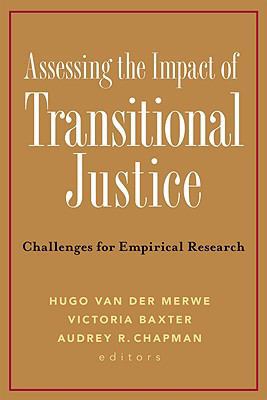
  • (2009). Leigh A. Payne, “Confessional Performances: A Methodological Approach to Studying Perpetrators’ Testimonies”. In Hugo van der Merwe, Victoria Baxter and Audrey Chapman (Eds.), Assessing the Impact of Transitional Justice: Challenges for Empirical Research (pp. 227–248). United States Institute of Peace Press. View more
  • (2008). Leigh A. Payne, Unsettling Accounts: Neither Truth nor Reconciliation in Confessions of State Violence. Duke University Press. View more
  • (2004). Leigh A. Payne, “In Search of Remorse: Confessions by Perpetrators of Past State Violence”. The Brown Journal of World Affairs, 11(1), 115–125. https://www.jstor.org/stable/24590501
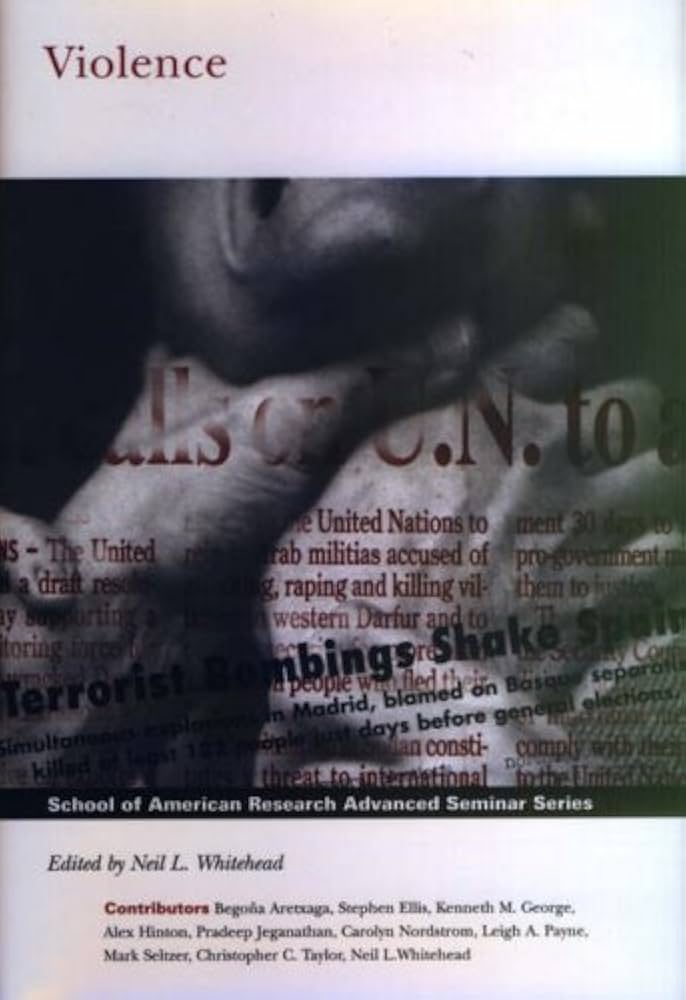
  • (2004). Leigh A. Payne, “Confessional Performances: Perpetrators’ Testimonies to the South African Truth and Reconciliation Commission”. In Neil L. Whitehead (Ed.), Violence. School for Advanced Research Advanced Seminar Series. University of New Mexico Press.
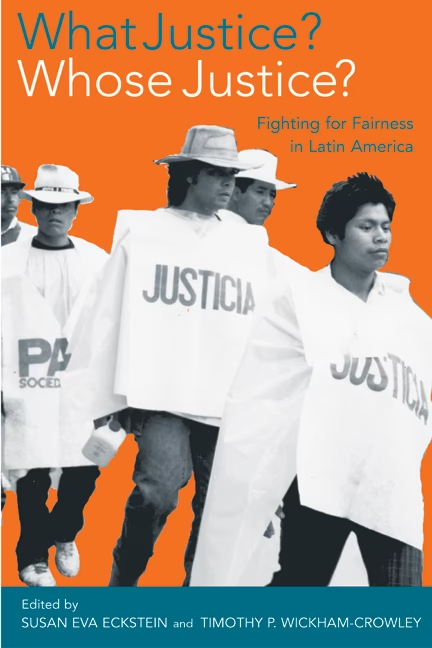
  • (2003). Leigh A. Payne, “Confessions of Torturers: Reflections on Cases from Argentina”. In Susan E. Eckstein & Timothy P. Wickham-Crowley (Eds.), What Justice? Whose Justice? Fighting for fairness in Latin America. University of California Press. View more
  • (2002). Leigh A. Payne, “Working with Perpetrators and Victims of State Violence: Notes from the Field”. Social Science Research Council Global Security and Cooperation Quarterly.
  •  (2001). Leigh A. Payne, “Collaborators and the Politics of Memory in Chile”. Human Rights Review, 2(3), 8–26. View more
The Revolutionary Left’s Confessions to Violence

Reckoning with the Left’s Violent Past

unnamed

Focusing on confessions by revolutionary and guerrilla movements, this study investigates how leftist actors confront their own responsibility in political violence. Through cases such as Argentina’s Montoneros and Colombia’s FARC, it traces how timing, politics, and power shifts shape public reactions and how self-critical reflection can open paths toward accountability and democratic renewal.

Team:

Leigh A. Payne has worked on how the armed left has confronted its violent past in key Latin American countries. At the University of Oxford, Erika Chaben Cabrera and Sarah Phillips collaborated in the research on confessions from the armed left.

Publications:
  • (forthcoming) Leigh A. Payne, “Left Unsettled: Confessions to Violence from the Armed Left”.
  • (2022). Leigh A. Payne, “Left Unsettled”. In Sarah Federman and Ronald Niezen (Eds.), Narratives of Mass Atrocity: Victims and Perpetrators in the Aftermath (pp. 279-304). Cambridge University Press. View more
  • (2018). Leigh A. Payne, “Left Unsettled: Confessions of Armed Revolutionaries”. Observing Memories: The Magazine of the European Observatory on Memories (EUROM), 2, November, 12–19. View more
How to Confess to Rape in the Aftermath of Conflict

Breaking the Silence on Conflict-Related Sexual Violence

unnamed (1)

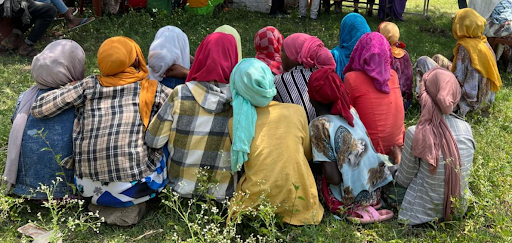
This pioneering project examines how perpetrators of wartime rape confess their crimes—and how such admissions can transform social norms, validate survivors, and prevent future violence. Using the first global database of rape confessions (CONFESS) and participatory fieldwork across continents, it develops theory and practice for confessions that promote truth, dignity, and justice after war.

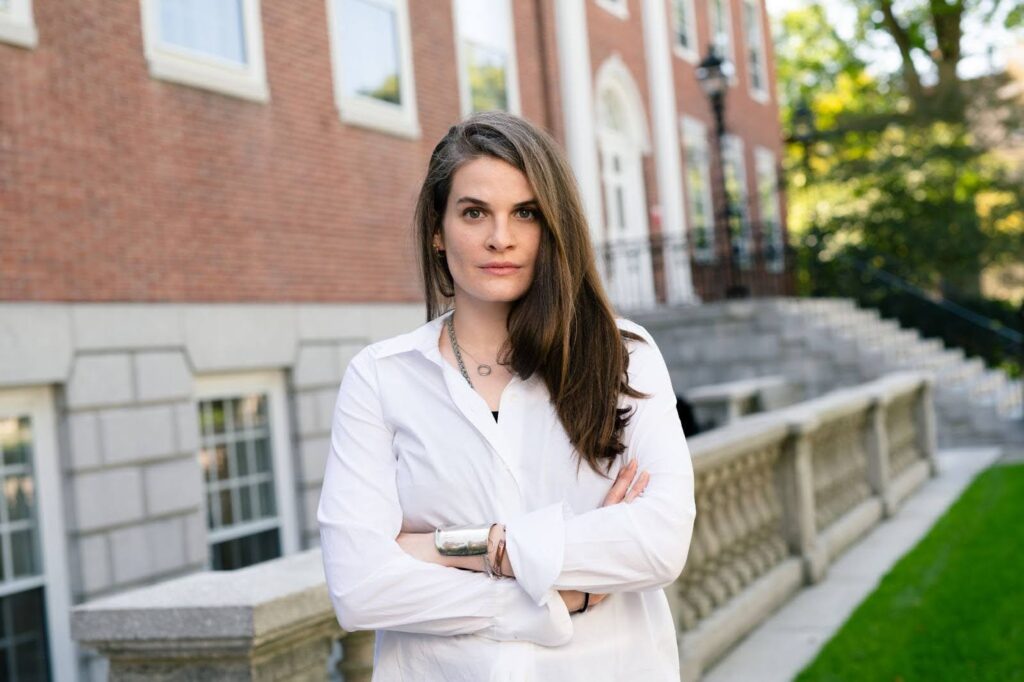
This project is led by Leigh A. Payne and Kiran Stallone during their fellowship at the Harvard Radcliffe Institute, supported by a research team including Harvard College Radcliffe Research Partners–Sofía Chavez, Michelle Canas García, Mia Lupica, Diego García Moreno, and Katherine Villanueva–and Oxford University based researchers Charli McMakin and Erika Chaben Cabrera. Together, we aim to produce actionable knowledge that bridges scholarship, survivor experience, and policy reform.

The project also received support from the Clingen Center Legacy Project, Keough-Naughton Institute for Irish Studies at the University of Notre Dame, 2024-2025, “Confessions to Rape in the Aftermath of Colombia’s Armed Conflict.” As part of that project, the following podcast was recorded: Preserving Voices, Confronting Violence: Insights from the Legacy Project, Episode 75, Published: 2025-09-08

Length: 47:53. Host: Josefina Echavarría Álvarez. View more

Publications:

  • (forthcoming) Leigh A. Payne and Kiran Stallone, “How to Confess to Rape: The Colombian Acts”.
  • (2024) Leigh A. Payne and Kiran Stallone, “Confessions to Intimate Violence: FARC Testimonies to Sexual Violations in the Colombian Conflict”. International Feminist Journal of Politics,  26(3), 496–522. View more


How we do it

A Global, Interdisciplinary Research Approach

We combine comparative analysis, field research, and data-driven methods to study confessional practices. Our mixed-method approach bridges qualitative and quantitative analysis to identify the social, political, and emotional conditions that make confessions transformative rather than performative.
document database

We created the CONFESS Database

The first cross-national collection of perpetrator confessions to violence and rape following armed conflict.
research

We conduct in-depth fieldwork

In emblematic cases across Africa, Asia, Latin America, and Europe.
comunity

We engage in critical participatory action research (CPAR)

Co-designing best practices with affected communities.

Publications

Key Publications and Research Outputs

Confessions to Violence
Perpetrators’ Confessions. Truth, Reconciliation, and Justice in Argentina
Truth-telling has become a widespread practice in settling accounts with past repressive regimes in Latin America. It has also assumed a variety of forms: from government-mandated truth commissions, to non-governmental-organization-sponsored historical memory projects, to individual testimonials. This chapter discusses the potential value of perpetrators’ confessions to truth and reconciliation in countries emerging from authoritarian rule.
Confessions to Violence
Collaborators and the Politics of Memory in Chile
Collaborators –individuals who “cooperate traitorously with an enemy”– are an understudied phenomenon of the recent authoritarian regimes of Latin America. It is not that they were irrelevant: they supplied crucial information to the repressive apparatus and assisted in the kidnapping, torture, and murder of so-called subversives. This article examines four Chilean collaborators’ confessions and the role they played in the politics of memory in Chile.
Confessions to Violence
In Search of Remorse: Confessions by Perpetrators of Past State Violence
The paper focuses on the relationship between public confessions by perpetrators of past state authoritarian violence, and reconciliation. This connection functions theoretically: perpetrators of violence admit to what they did and apologize for it. In so doing, they advance the truth about the past and accountability for those crimes
Confessions to Violence
Testimonios perturbadores. Ni verdad ni reconciliación en las confesiones de violencia de Estado
What should be done with the confessions of those responsible for crimes against humanity? Should such testimonies be encouraged, so that victims and their families can learn what happened and find a certain peace in knowing the truth? Or should the circulation of such narratives be limited, given that they are based on the perpetrators’ own accounts? This book offers highly suggestive and pertinent answers to these questions through a combination of theoretical reflection and a detailed study of seven confessions made in four countries…
Confessions to Violence
Confessions to intimate violence: FARC testimonies to sexual violations in the Colombian conflict
This article analyzes rare FARC confessions to sexual violence, tracing their shift from denial to remorse. Using a dramaturgical lens, it shows how these acts challenge silence, reshape narratives, and strengthen norms condemning sexual violence.
Confessions to Violence
Narratives of Mass Atrocity: Victims and Perpetrators in the Aftermath
This book examines the blurred boundaries between victims and perpetrators in mass violence, proposing a reflexive approach to justice and peacebuilding that embraces complex identities and overlapping roles in post-conflict contexts.
Where our work happens

Global Fieldwork in Post-Conflict Societies

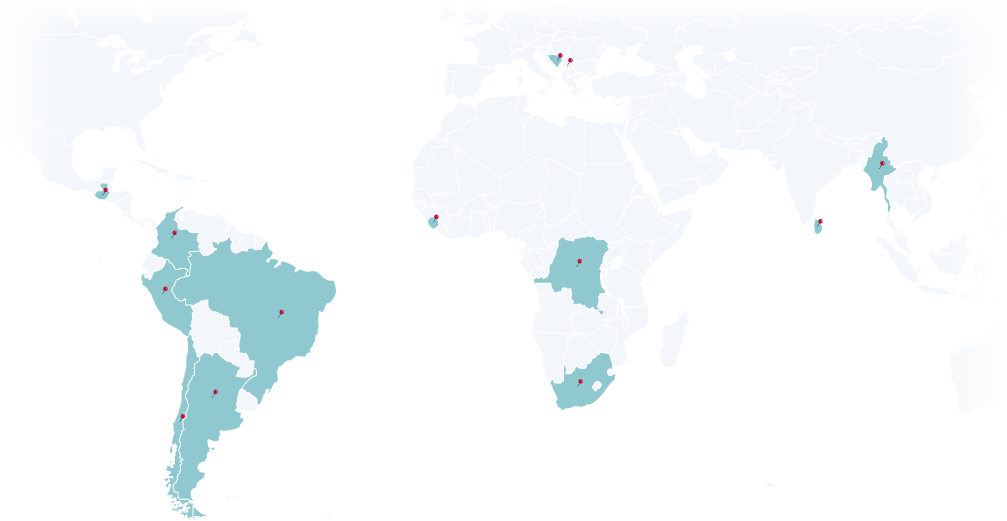
Our research spans multiple continents, focusing on societies emerging from prolonged violence.
We currently work in:

  • Latin America: Colombia, Guatemala, Argentina, Chile, Brazil, Peru

  • Africa: South Africa, Sierra Leone, the Democratic Republic of Congo

  • Asia: Myanmar, Sri Lanka

  • Europe: Bosnia and Kosovo

Each site contributes unique insights into how societies confront past violence, seek truth, and rebuild norms around justice and accountability.
Our team

Meet the Team Behind the Work for Justice

Different researchers, practitioners, and advocates from across the globe have contributed to the research projects, united by a shared commitment to human rights and accountability. With expertise spanning law, sociology, political science, and community engagement, we work collaboratively to support victims, produce impactful research, and drive systemic change.

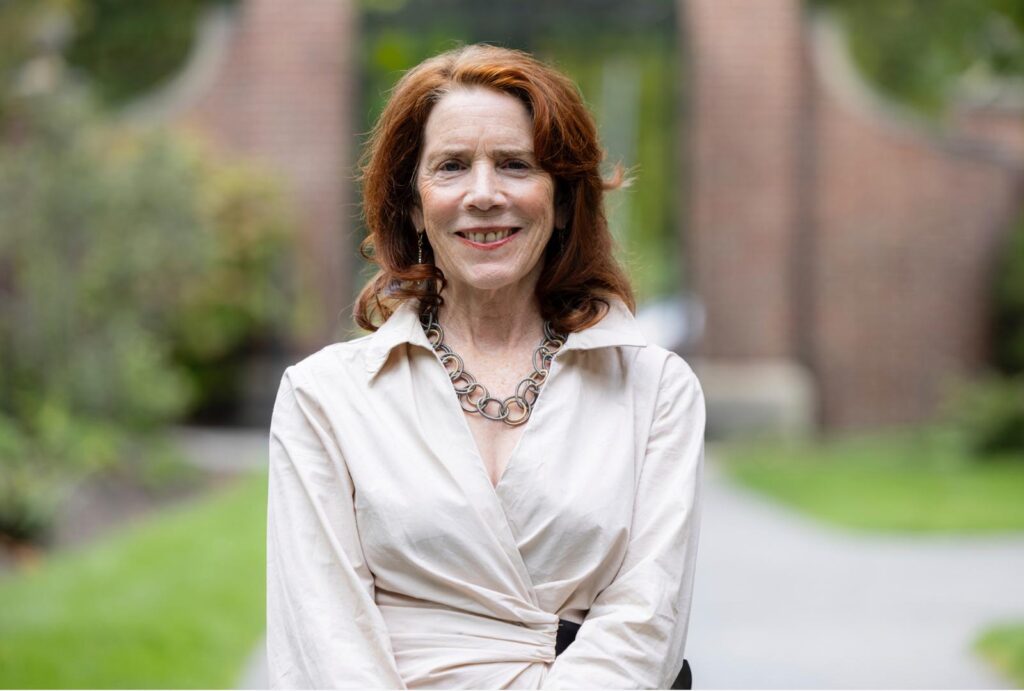
Professor Leigh Payne

Professor of Sociology at the Latin American Centre and a member of St Antony’s College Governing Body. Her research focuses on building human rights cultures in the Americas by addressing past abuses and ongoing violations, with an emphasis on victims’ rights to truth, justice, and remedy. Her work explores transitional justice, justice from below, and contentious coexistence. She teaches Latin American sociology and human rights, and supervises graduate research in related areas, welcoming applications in these fields.

Kiran Stallone

Senior Researcher specializing in gendered violence, backlash, and civilian protection in conflict settings. She holds a PhD in Sociology from UC Berkeley and an MSc in Latin American Studies from Oxford. Her work has appeared in top journals and in the 2025 book Brave Women, co-edited with Julia Zulver. Kiran also consults on gender issues for UN agencies and NGOs, and is currently a Senior Researcher at Ladysmith and a 2025–2026 Radcliffe Fellow at Harvard.