


Right Against Rights

Understanding the Rise of Anti-Rights Movements in Latin America

RagR explores the growth of right-wing movements that challenge democratic norms and threaten human rights in the region. With an interdisciplinary lens, the project investigates the ideologies and dynamics behind these trends to inform strategies for protecting democratic resilience and civil liberties. This project was funded by The British Academy and the UK’s ESRC Impact Acceleration Account, Law and Society Association
What we do

Our Approach to Understanding Disorder

The Right Against Rights project investigates the global backlash against hard-won rights for marginalized communities—including women, BIPOC groups, LGBT+ individuals, immigrants, and victims of historical injustices. As these groups have achieved legal recognition and protection, right-wing actors have mobilized to undermine these gains, threatening democratic institutions and social stability. Our project explores how these “right-against-rights” movements create disorder, deepen polarization, and escalate violence, especially across Latin America. We aim to generate knowledge and strategies to counteract these threats and help protect inclusive democratic progress.
How we do it

Crossing disciplines and borders to understand global disorder

We take an interdisciplinary, cross-regional approach to understand the rise and impact of right-against-rights movements. By combining history, law, sociology, gender, and area studies, we move beyond narrow, Global North views to uncover the complex roots of democratic erosion. Our collaborations generate insights and strategies to counter these threats.
puzzle

A Cross-Disciplinary Lens

We integrate history, law, sociology, gender, and area studies to understand how anti-rights movements emerge and take hold.
globe

Beyond Traditional Frameworks

Our approach challenges narrow, Global North political models by bridging the social sciences and humanities.
hand wrench

Research for Action

We work with scholars, institutions, and communities to generate insights and tools that help protect democratic systems.
Featured publications
Book

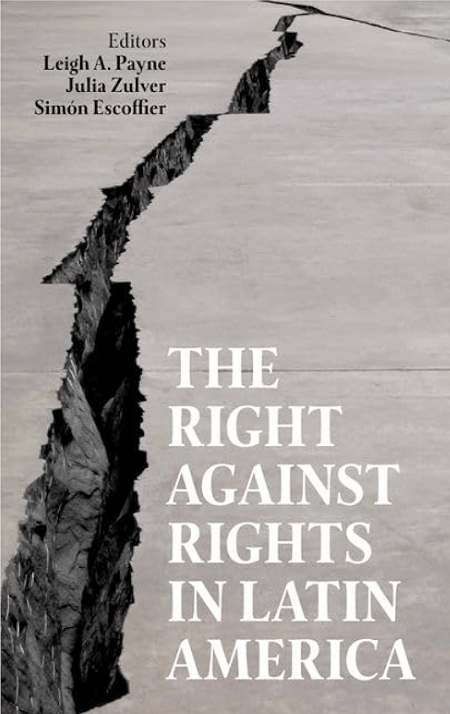
The Rights Againts Rights in Latin America

From President Bolsonaro’s openly racist, misogynist, and homophobic rhetoric in Brazil, to the politicisation of gender ideology leading to the rejection of a Peace Deal in Colombia, to groups that Latin America is home to right-against-rights movements that have grown in numbers, strength, and influence in recent years. New anti-rights groups, worryingly, are intent on blocking, rolling back, and reversing these legislative advances by obstructing justice and accountability processes and influencing politicians across the region. The Right Against Rights in Latin America contains chapters that empirically explores the breadth, depth, and diversity of a new wave of anti-rights movements in Latin America. It details why they are fundamentally different from previous movements in the region, and –perhaps more importantly– why it is of vital importance that we study, analyse, and understand them in a global context.
Book

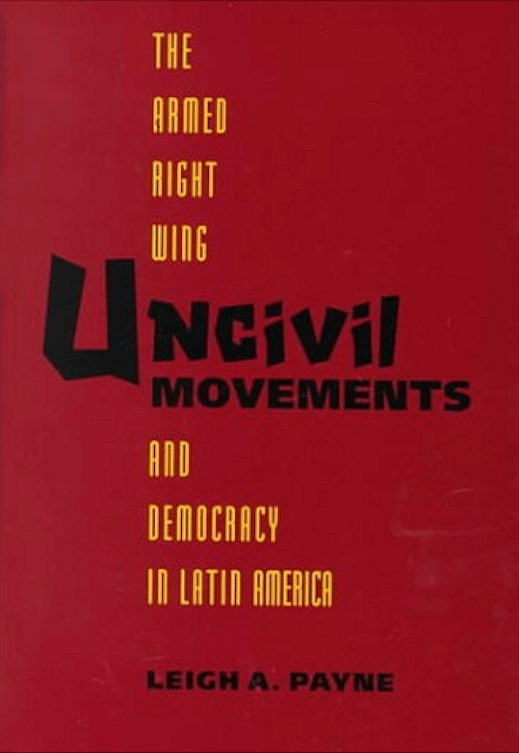
Uncivil movements: The Armed Right Wing and Democracy in Latin America

Examining the experience of Latin American countries moving from authoritarianism to liberalization, Leigh Payne focuses on organized right-wing groups that take armed, often violent, action to destabilize emerging democratic governments. Although few social movement scholars include armed right-wing groups in their analyses, Payne points to the capacity of these groups to incorporate social movement discourse and practice in their own mobilization. She demonstrates how these uncivil movements gain power through political threats, cultural cues, and legitimating myths, developing their institutional skills to increase their political power in democracies. Payne offers three detailed case studies of uncivil movements in Latin America: the Argentine carapintada, military officers who staged four armed rebellions and later developed a fairly successful political party; the Brazilian UDR (Rural Democratic Union), a landlords’ lobby that mobilized to defeat agrarian reform legislation while simultaneously engaging in violent confrontations with rural labor leaders and environmentalists; and the Nicaraguan Contras, who fought for ten years against the leftist Sandinista government. Payne conducted extensive interviews with members of these movements and with members of the civilian government itself, dramatically illustrating her case studies with the words of participants. She concludes with an extensive comparative analysis in order to show that uncivil movements are not unique to Latin America: they are a common feature of the transition and consolidation process of new democratic regimes. By examining three Latin American countries, Payne suggests ways in which new democracies throughout the world can lessen, if not neutralize, the influence of uncivil movements.

Publications

Key Publications and Research Outputs

The Right Against Rights
The Legal Mobilization of the Right Against Rights
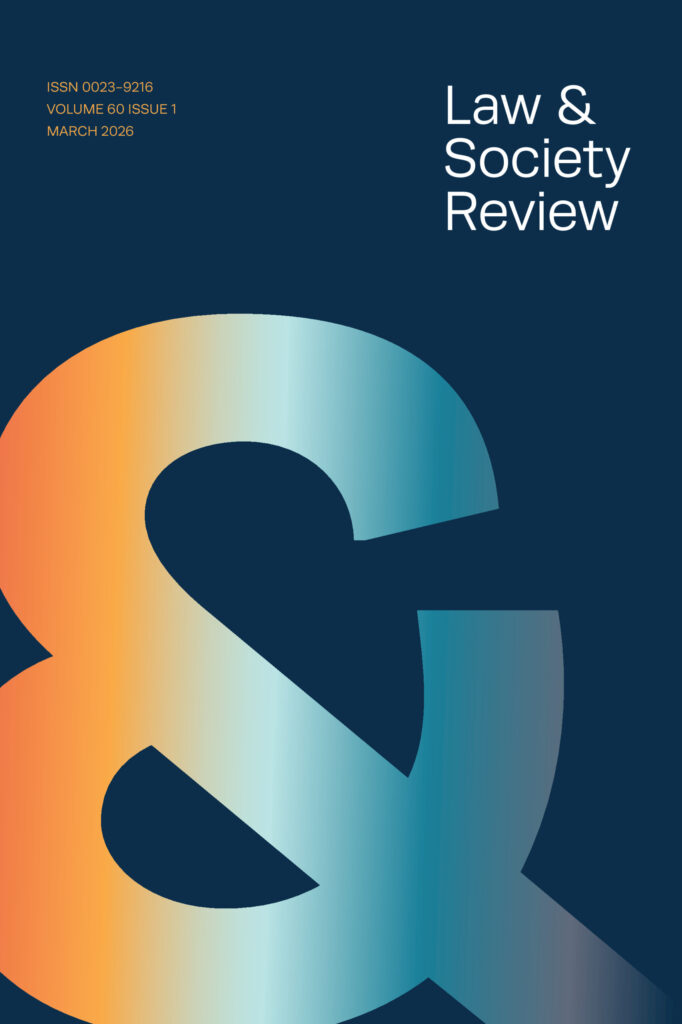
This editorial introduces a Special Issue of Law & Society Review on right-wing legal mobilization and its role in challenging rights expansions achieved by marginalized groups, including migrants, LGBT+ communities, women, Black, Indigenous, and People of Color (BIPOC) communities, and human rights victims…
The Right Against Rights
Right-Wing Movements (Latin America)
The Right Against Rights
This chapter examines Chilean right-wing movements that undermine rights and democracy, using framejacking, violence, and social media, and stresses addressing their root causes.
The Right Against Rights
The Right-Wing Backlash in Brazil and Beyond
Who is entitled to have rights? This essay examines how right-wing movements attempt to prevent individuals, especially women and members of LGBT groups, from accessing equal rights through the use of terms such as “moral worth” and “family values”…
The Right Against Rights
Right-Wing Movements in Latin America
This chapter challenges the exclusion of Latin America from comparative studies of right-wing movements, proposing three typologies — counter-movements, uncivil movements, and neoliberal militarized movements — illustrated through case studies from El Salvador, Brazil, and Colombia.
The Right Against Rights
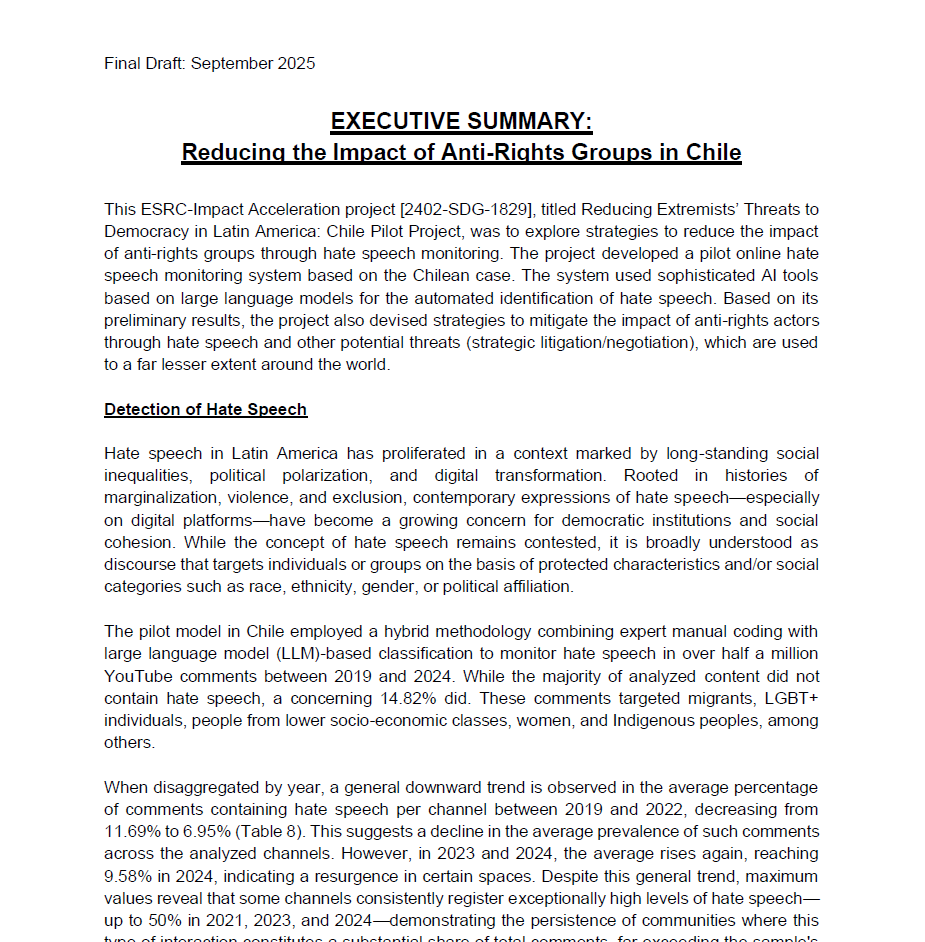
ESRC Policy – Reducing Extremists’ Threats to Democracy in Latin America: Chile Pilot Project
Report sets foundation for research and policies against hate speech, using AI + expert coding for accurate, adaptable, and resilient democratic tools.
Where our work happens

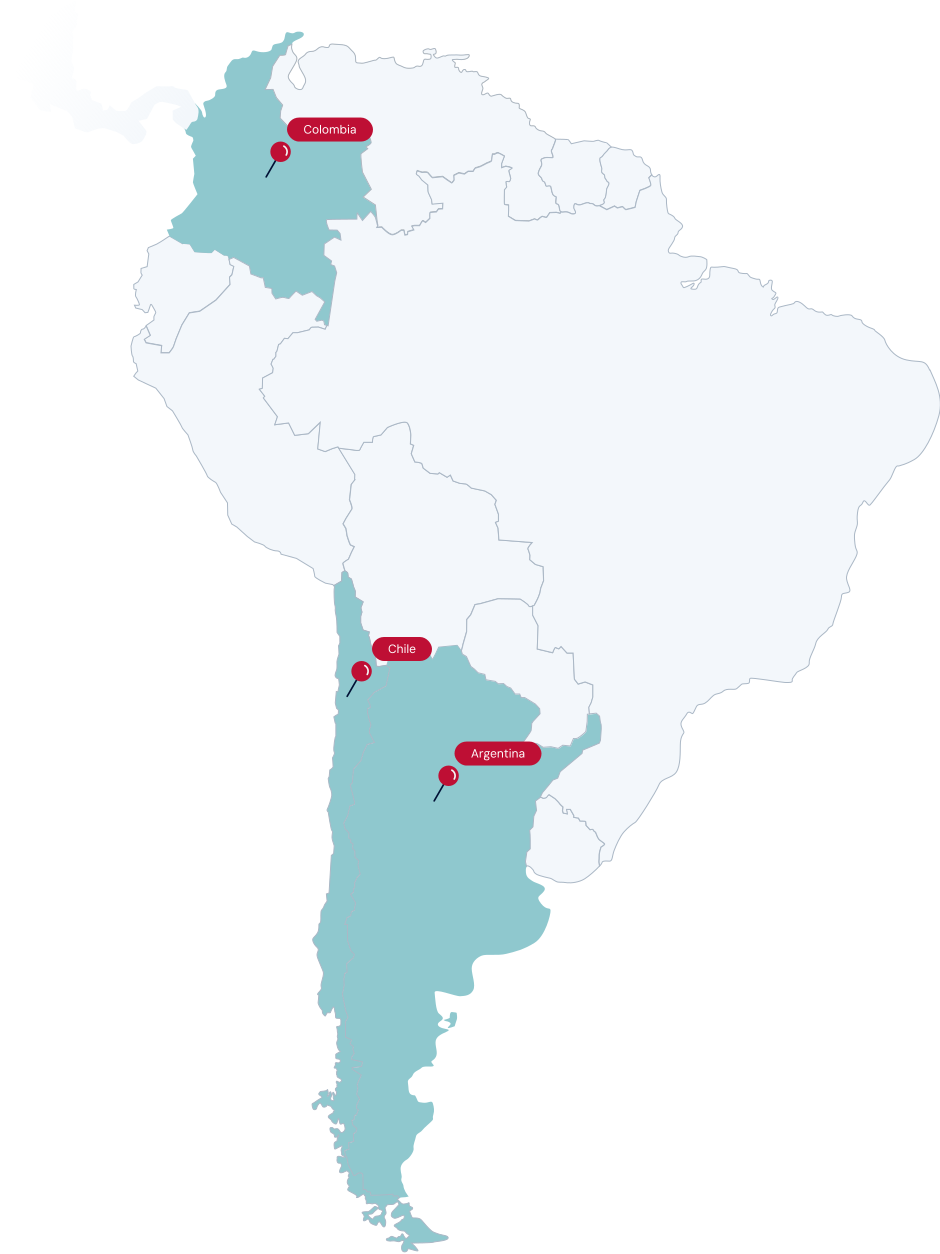
A Latin American lens on a global phenomenon

While the right-against-rights backlash is global, our core research focuses on Latin America—a region where recent rights gains have been both profound and precarious. Countries across the continent have seen sharp polarization and conflict linked to anti-rights mobilizations. By focusing on Latin America, we gain insights into how these movements evolve in fragile democracies and what strategies can help sustain inclusive political orders. These findings are applicable to other regions facing similar challenges, making our work both regionally grounded and globally relevant. The project explores mobilization by the right against rights within countries and their transnational linkages.

Who we work with

A collaborative network of scholars across Latin America

The project is a partnership between leading researchers committed to defending democratic values and rights-based systems. It is conducted in collaboration with:
Oxford

Dr. Leigh A. Payne & Dr. Kiran Stallone

United Kingdom
universidad nacional de tucuman

Dr. Gabriel Pereira

Argentina
Juiz

Dr. Odilon Caldeira Neto

Brazil
Waterloo

Dr. Nancy Tapias Torrado

Canada
Pontificia universidad catolica de chile

Dr. Simón Escoffier

Chile
Universidad del rosario

Dr. Sandra Botero

Colombia
UNAM

Dr. Karina Ansolabehere

Mexico
logo-1474400301.png

Dr. Julia Zulver

Sweden
HRI-logo-full-color.png

Dr. Kiran Stallone

United States
Grants

Placeholder text

image 110

Knut and Alice Wallenberg Foundation

Impact

Placeholder text

Placeholder text
Our team

Meet the Team Behind the Work for Justice

Different researchers, practitioners, and advocates from across the globe have contributed to the research projects, united by a shared commitment to human rights and accountability. With expertise spanning law, sociology, political science, and community engagement, we work collaboratively to support victims, produce impactful research, and drive systemic change.

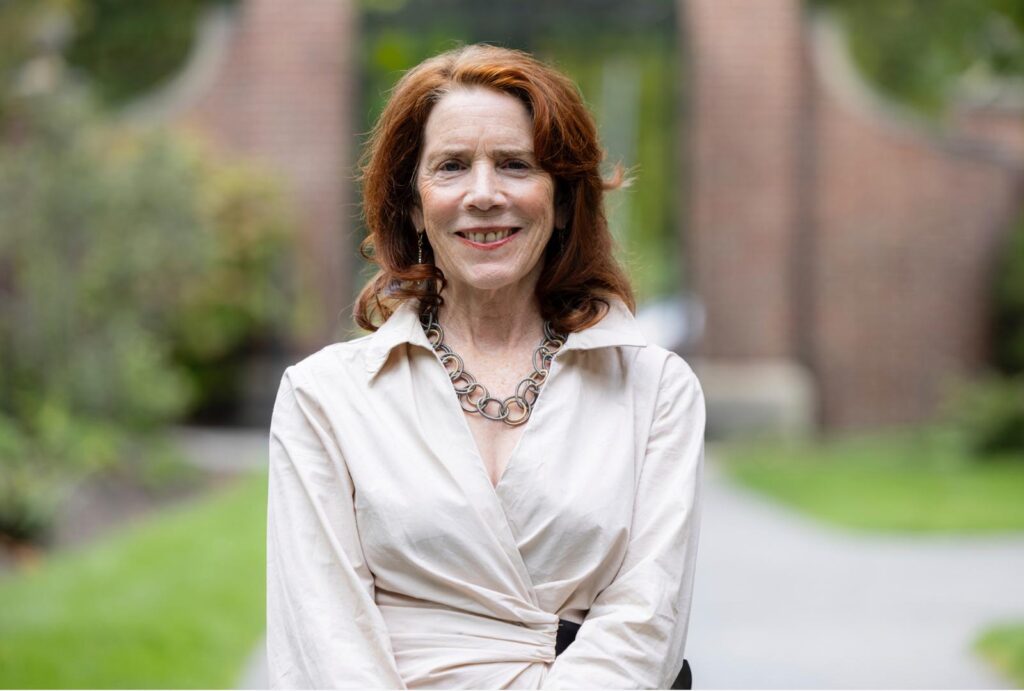
Professor Leigh Payne

Professor of Sociology at the Latin American Centre and a member of St Antony’s College Governing Body. Her research focuses on building human rights cultures in the Americas by addressing past abuses and ongoing violations, with an emphasis on victims’ rights to truth, justice, and remedy. Her work explores transitional justice, justice from below, and contentious coexistence. She teaches Latin American sociology and human rights, and supervises graduate research in related areas, welcoming applications in these fields.

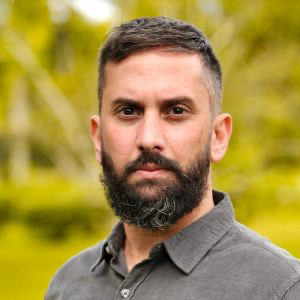
Gabriel Pereira

Professor of Human Rights and Law and Society at the Faculty of Law of the Universidad Nacional de Tucumán, as well as a researcher at CONICET in Argentina. He is also affiliated to the Latin American Centre of the University of Oxford. His research focuses on topics related to human rights, transitional justice, and the judicialization of politics in Latin America. He holds a PhD in Politics from the University of Oxford and an MSc in Democracy and Democratisation from University College London. He is also the founder of the Human Rights Organisation Andhes.

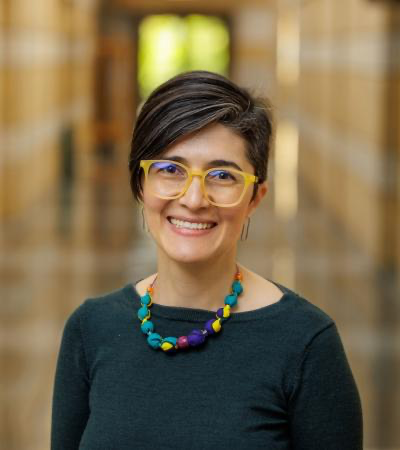
Julia Zulver

Wallenberg Academy Fellow at the Swedish Defence University, where she researches feminist responses to patriarchal backlash in Colombia, Mexico, and El Salvador. She previously held a Marie Skłodowska‑Curie Fellowship at UNAM and Oxford. Julia holds a DPhil and MPhil from the University of Oxford and is the author of High-Risk Feminism in Colombia (2022), winner of the Conflict Research Society’s Book of the Year. She co-edited The Right Against Rights in Latin America (2023) and works with Ladysmith and as an expert in gender-based asylum cases.

Karina Ansolabehere

Researcher at the Institute for Legal Research (IIJ) at UNAM. My areas of interest include legal policy, human rights, sociology of law, and political theory. Concerned with the role of legal institutions in protecting and defending the population in contexts of violence, I am currently developing two lines of research that combine these areas of interest: justice systems in response to serious human rights violations, and the socio-legal dynamics of violence and serious human rights violations.

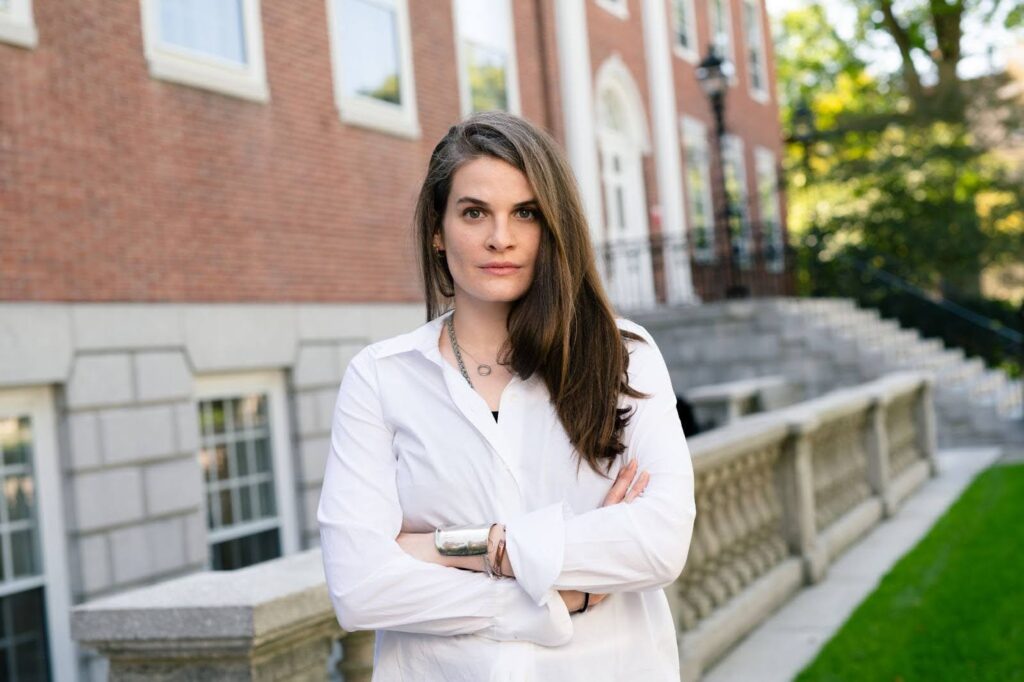
Kiran Stallone

Senior Researcher specializing in gendered violence, backlash, and civilian protection in conflict settings. She holds a PhD in Sociology from UC Berkeley and an MSc in Latin American Studies from Oxford. Her work has appeared in top journals and in the 2025 book Brave Women, co-edited with Julia Zulver. Kiran also consults on gender issues for UN agencies and NGOs, and is currently a Senior Researcher at Ladysmith and a 2025–2026 Radcliffe Fellow at Harvard.

Nancy Tapias Torrado

Assistant Professor of Human Rights at the University of Waterloo. She holds a PhD in Sociology (Oxford) and is a trained human rights lawyer. Her research centers on Indigenous women’s leadership, mobilization, and responses to violence, climate change, and justice. Nancy has worked with Amnesty International, taught law at PUJ, and held postdoctoral roles at Concordia and UQAM. She also consults for the UN and NGOs, and has supported Colombian women human rights defenders in exile.

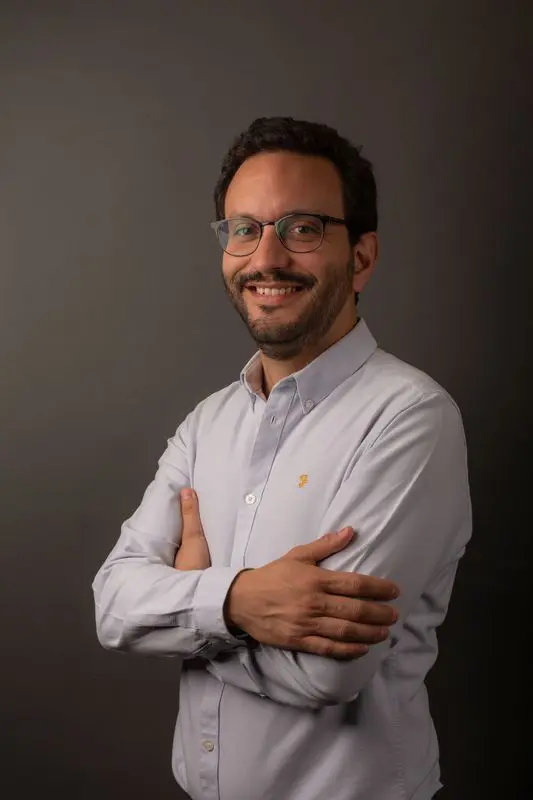
Odilon Caldeira Neto

Brazilian historian interested in topics related to violent extremism, political history, right-wing extremism, neo-fascism, and debates on the relationship between past and present (and memory). He is associate professor of Contemporary History in the Department of History and a permanent professor in the Postgraduate Program in History at the Federal University of Juiz de Fora. Coordinator and Leader of the Research Group Observatório da Extrema Direita. He holds a PhD in History from the Federal University of Rio Grande do Sul, with an internship (junior fellow scholarship) at the Institute of Social Sciences of the University of Lisbon.

Sandra Botero

Associate Professor of Political Science at Universidad del Rosario, Colombia. She is the author of Courts that Matter: Activists, Judges, and the Politics of Rights Enforcement (Cambridge University Press, 2023) and co-editor with Daniel Brinks and Ezequiel González-Ocantos of the book The Limits of Judicialization: From Progress to Backlash in Latin American Politics (Cambridge University Press 2022).

Simón Escoffier

Political sociologist focused on social movements, citizenship, and civil society in Latin America. He is Assistant Professor at the Pontificia Universidad Católica de Chile and a member of its Centre for Global Change. His recent books include Mobilizing at the Urban Margins and The Right against Rights in Latin America (2023). Simón holds a DPhil from Oxford and an MSc from LSE, and has advised the Chilean government and the IDB on inclusive policy.
More people

Research assistants contributing to the project

Jackeline Alba Udave, Universidad Nacional Autónoma de México. LinkedIn

Ingrid Melissa Amaya Bustillo, El Colegio de México. LinkedIn

Juan Carlos Bautista Murillo, Universidad Nacional de Tucumán. LinkedIn 

Daniela Correa Pinto, Universidad del Rosario. LinkedIn

Matías González Arias, Pontificia Universidad Católica de Chile. LinkedIn

Elsie Haldane, University of Oxford. LinkedIn

Juliana Jaramillo, Universidad de los Andes. LinkedIn

Ignacia Saavedra Abarca, Pontificia Universidad Católica de Chile. LinkedIn

Ila Zelmanovitz Axelrod, University of Oxford. LinkedIn

Impact

  • (2025) The RAR research team developed a comprehensive dataset on the “Right Against Rights”, which provides actionable evidence for policymakers on the right against rights groups across Latin America. Relevant categories include the actors themselves, the rights under attack, the mobilization strategies, and the leaders of these groups. With this knowledge, policymakers can track anti-rights movements and develop counterstrategies to bolster human rights in contexts where they are at risk. The dataset will be available online for public access. A Research Note on the database is being prepared to highlight the key findings and demonstrate how policy-relevant research could be developed from future analyses.
  • (2025) Publication of policy brief ESRC Policy: Reducing Extremists’ Threats to Democracy in Latin America: Chile Pilot Project, by Camila Rojas Guajardo, Jorge L. Ortiz Fuentes, Juan C. Bautista, Kiran Stallone, Leigh Payne and Simón Escoffier (link to publication).
  • (2025) As part of the ESRC project “Reducing Extremists’ Threats to Democracy in Latin America”, the team developed a hate speech monitoring system that combines generative language models and advanced machine learning techniques to detect incidents of hate speech in Chile. The model is not only applicable in Chile but can also be adapted relatively easily to other digital platforms and countries.
  • (2025) Workshop with Argentinian human rights NGOs Centro de Estudios Legales y Sociales (CELS), Laboratorio de Estudios sobre Democracia y Autoritarismos (LEDA), and Observatorio Universidad de Buenos Aires (Pulsar), Buenos Aires, 31 July 2025.
  • (2025) Participation by Leigh A. Payne, Simón Escoffier, and Julia Zulver in the Review of Democracy podcast, recording the episode “The Right against Rights in Latin America”, March 5th. 
  • (2025) Meeting with the Secretary of Human Rights in Tucumán (Argentina) and with a number of NGOs nationwide to co-develop projects grounded in findings from the RAR project to reduce threats to historically marginalized communities, including migrants, women, LGBT+ individuals, and Indigenous peoples.
  • (2025) Meeting with Dr Marcela Rios of IDEAS-Latin America to design a project for the region to roll back threats of gender violence.
  • (2024) Meetings with the Ministry of Equality and Equity in Colombia to present findings and develop a pre-proposal for a project to reduce hate crimes against the LGBT+ community. Bogotá, June 13 and August 2nd. 
  • (2024) Leigh A. Payne participated in the presidential panel “La ‘nueva’ extrema derecha en las Américas” [The ‘New’ Extreme Right in the Americas] at the Latin American Studies Association (LASA) Conference. Recording available here.
  • (2024) Presentation by Sandra Botero, Leigh A. Payne, and Julia Zulve at the Ministry of Equality and Equity Diversity, Government of Colombia, Bogotá, June 13.
  • (2024) Book Launch of The Right Against Rights in Latin America with media outlet La Silla Vacía (Colombia) and civil society actors, Bogotá, June 13.
  • (2024) Organised discussion on “The Anti-Rights Movement in Latin America” with key stakeholders, including government actors from the Ministry of Equality, the research organisation Ideas para la Paz, and the Center for Reproductive Rights. Bogotá, Universidad del Rosario, June 11.
  • (2024-ongoing) The research team put together a global listserv of hundreds of academics and practitioners working on backlash and right-against-rights topics. This listserv (<ragr-listserv@googlegroups.com>) continues to be used after the project’s conclusion and is a useful way for individuals to connect and establish networks.
  • (2024-ongoing) Development of the Right Against Rights Network Seminar Series, which is held online and brings together early-career and established scholars working on anti-gender topics, providing a platform for them to discuss their projects and findings.
  • (2023) Presentation by team to the Subsecretary of Human Rights – Chile, Policy Impact of the Right-against-Rights project, Santiago, September 14.
  • (2023) Presentation by the Team to the National Human Rights Institute – Chile, Policy Impact of the Right-against-Rights project, Santiago, September 14.