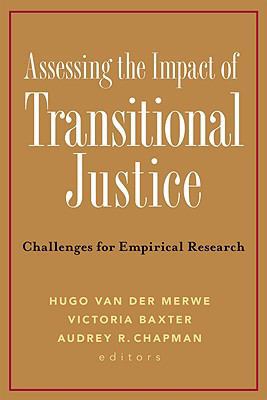
This chapter proposes that researchers treat perpetrators’ accounts in trials, truth commissions, media interviews, and memoirs as staged “performances” rather than straightforward evidence of truth or deceit. Drawing on performance theory and her own work on confessions of state violence, Payne argues that such testimonies are shaped by scripts, audiences, incentives, and institutional settings, and thus must be analyzed in terms of how perpetrators frame their actions (as obedience, heroism, remorse, victimhood, etc.) and what political work those framings do. She lays out a methodological strategy for using these sources empirically—coding narrative devices, situating them in their legal and media context, comparing them across cases and audiences—so as to gain insight into perpetrators’ justifications, memories, and self‑representations while avoiding both naïve acceptance and wholesale dismissal of their accounts.
Contact us

We use only essential cookies that keep this site working properly. We don’t collect or share personal data. You can accept or deny cookies at any time.