About us

Bridging Academia and Advocacy to Advance Justice and Human Rights

Advancing Human Rights Accountability (AHRA) refers to a set of projects based at the University of Oxford and led by Professor Leigh A. Payne, 2025-26 Lisa Goldman Fellow at Harvard University’s Radcliffe Institute for Advanced Studies, and professor of Sociology and Latin America at University of Oxford. The projects work to strengthen access to truth, justice, reparations, and non-recurrence for victims of human rights violations.
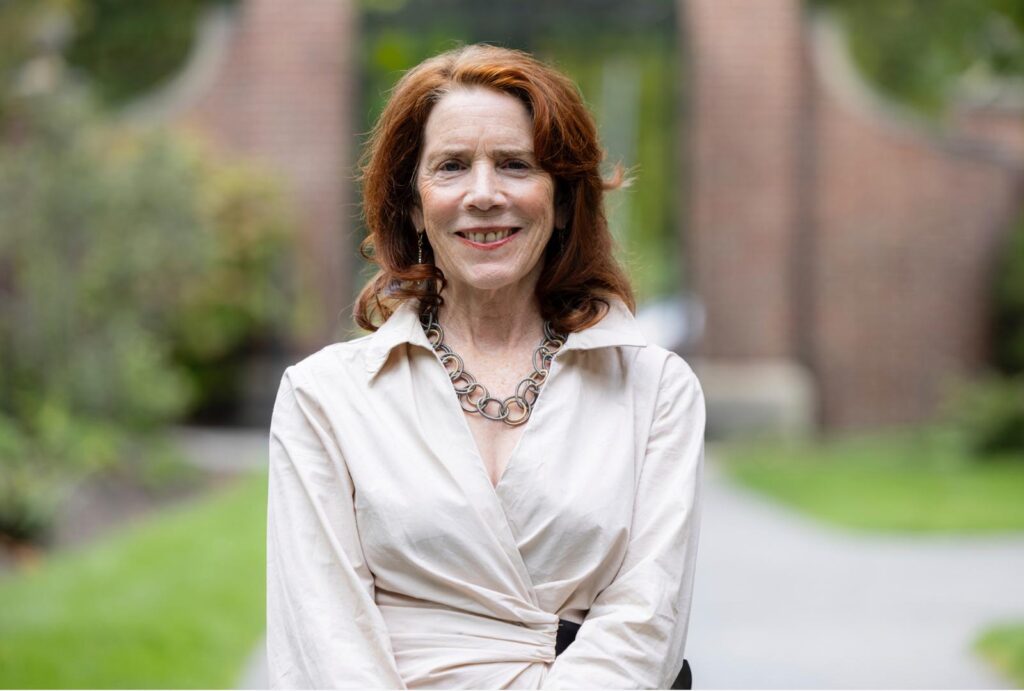
Professor Leigh Payne

Professor Leigh Payne Empowers Truth and Justice in Latin America

Leigh A. Payne is a professor in Sociology and at the Latin American Centre; she is a member of St Antony’s College Governing Body.

Despite transitions from authoritarian rule, human rights violations continue in the Americas. Leigh’s research focuses on building human rights cultures in the region. It focuses on overcoming impunity for past abuses as well as addressing ongoing atrocities with the aim of fulfilling victims’ rights to truth, justice, and remedy. Leigh does this in her work on transitional justice, justice from below, and contentious coexistence.

Leigh’s teaching has focused on the sociology of Latin America and also on human rights. She has supervised doctoral and masters student research on human rights, transitional justice, memory, corporate human rights, Latin American social movements, women’s movements, violent groups, and indigenous movements. She welcomes applications in these areas and in other related fields.

Who we are

A Global Collaborative for Human Rights and Justice

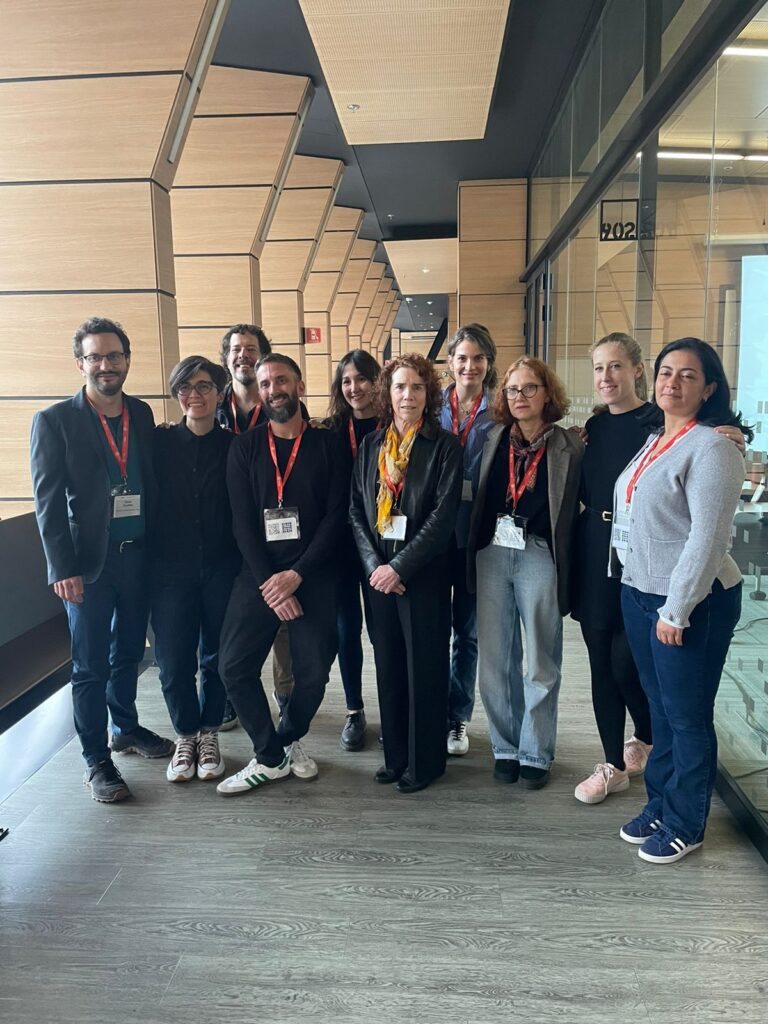
We are Advancing Human Rights Accountability (AHRA), a collective of research initiatives based at the University of Oxford and supported by a network of international partners. Our team includes scholars, advocates, and institutions committed to addressing serious human rights violations and amplifying the voices of victims through collaborative and impact-driven work.
What we do

Research, Document, and Support Accountability for Human Rights Violations

AHRA develops and supports interdisciplinary projects that investigate past and ongoing human rights abuses, particularly in transitional and post-conflict societies. Our work focuses on strengthening access to truth, justice, reparations, and non-recurrence, while creating tools and knowledge that empower victims and civil society.

Transitional Justice Research Collaborative

A Global Dataset on Transitional Justice Across Countries and Democracies

Confessions to Violence

Exploring Perpetrators’ Confessions to Violence and Sexual Crimes in Post-Conflict Contexts

Overcoming Impunity in Post-Transition Disappearances

Addressing the Persistence of Disappearances Beyond Dictatorships

The Right Against Rights

Understanding the Rise of Anti-Rights Movements in Latin America

Corporate Accountability in Transitional Justice

Holding Economic Actors Accountable for Past Abuses
How we do it

Through Partnership, Research, and Local Engagement

We work closely with NGOs, academic institutions, and grassroots organizations to co-create research, build evidence-based resources, and host in-country workshops. By combining local knowledge with global insights, we develop practical strategies and tools that respond to complex human rights challenges.
partnership

Partnership

research

Research

local engagement

Local engagement

Our team

Meet the Team Behind the Work for Justice

Different researchers, practitioners, and advocates from across the globe have contributed to the research projects, united by a shared commitment to human rights and accountability. With expertise spanning law, sociology, political science, and community engagement, we work collaboratively to support victims, produce impactful research, and drive systemic change.

Professor Leigh Payne

Professor of Sociology at the Latin American Centre and a member of St Antony’s College Governing Body. Her research focuses on building human rights cultures in the Americas by addressing past abuses and ongoing violations, with an emphasis on victims’ rights to truth, justice, and remedy. Her work explores transitional justice, justice from below, and contentious coexistence. She teaches Latin American sociology and human rights, and supervises graduate research in related areas, welcoming applications in these fields.

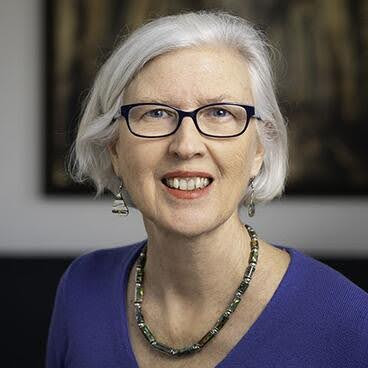
Barbara Frey

Director Emeritus of the Human Rights Program in the College of Liberal Arts at the University of Minnesota. Frey has been teaching international human rights at the University of Minnesota in both the Law School and the Institute for Global Studies since 1989. She speaks and publishes regularly on human rights topics, and has served in various positions related to human rights, in non-governmental and inter-governmental organizations as well as academic institutions.

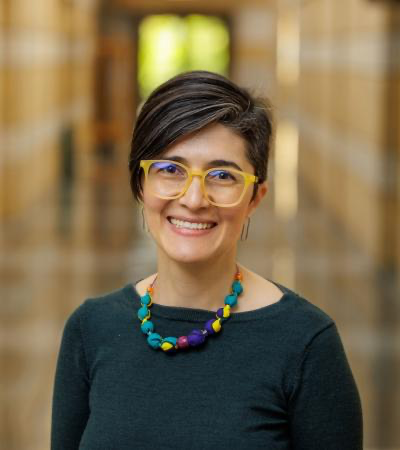
Laura Bernal-Bermúdez

Assistant Professor at the Faculty of Law of the Pontificia Universidad Javeriana (Colombia) and Research Consultant at the University of Oxford. Her research focuses on access to justice, regulatory strategies, business involvement in human rights violations, and peacebuilding. She holds a PhD in Sociology from the University of Oxford and a MSc in Human Rights from the London School of Economics.

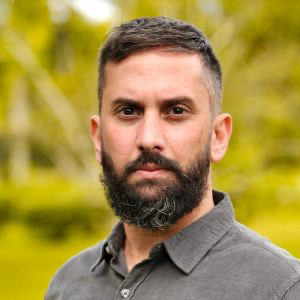
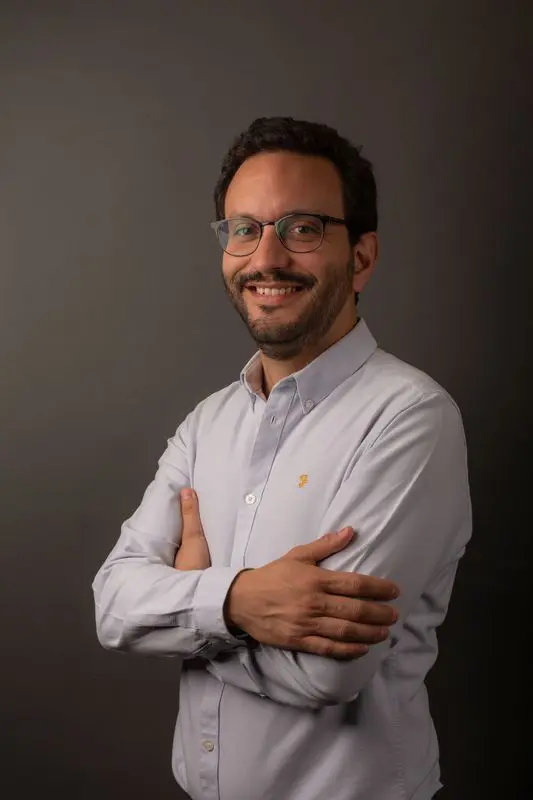
Gabriel Pereira

Professor of Human Rights and Law and Society at the Faculty of Law of the Universidad Nacional de Tucumán, as well as a researcher at CONICET in Argentina. He is also affiliated to the Latin American Centre of the University of Oxford. His research focuses on topics related to human rights, transitional justice, and the judicialization of politics in Latin America. He holds a PhD in Politics from the University of Oxford and an MSc in Democracy and Democratisation from University College London. He is also the founder of the Human Rights Organisation Andhes.

Odilon Caldeira Neto

Brazilian historian interested in topics related to violent extremism, political history, right-wing extremism, neo-fascism, and debates on the relationship between past and present (and memory). He is associate professor of Contemporary History in the Department of History and a permanent professor in the Postgraduate Program in History at the Federal University of Juiz de Fora. Coordinator and Leader of the Research Group Observatório da Extrema Direita. He holds a PhD in History from the Federal University of Rio Grande do Sul, with an internship (junior fellow scholarship) at the Institute of Social Sciences of the University of Lisbon.

Karina Ansolabehere

Researcher at the Institute for Legal Research (IIJ) at UNAM. My areas of interest include legal policy, human rights, sociology of law, and political theory. Concerned with the role of legal institutions in protecting and defending the population in contexts of violence, I am currently developing two lines of research that combine these areas of interest: justice systems in response to serious human rights violations, and the socio-legal dynamics of violence and serious human rights violations.

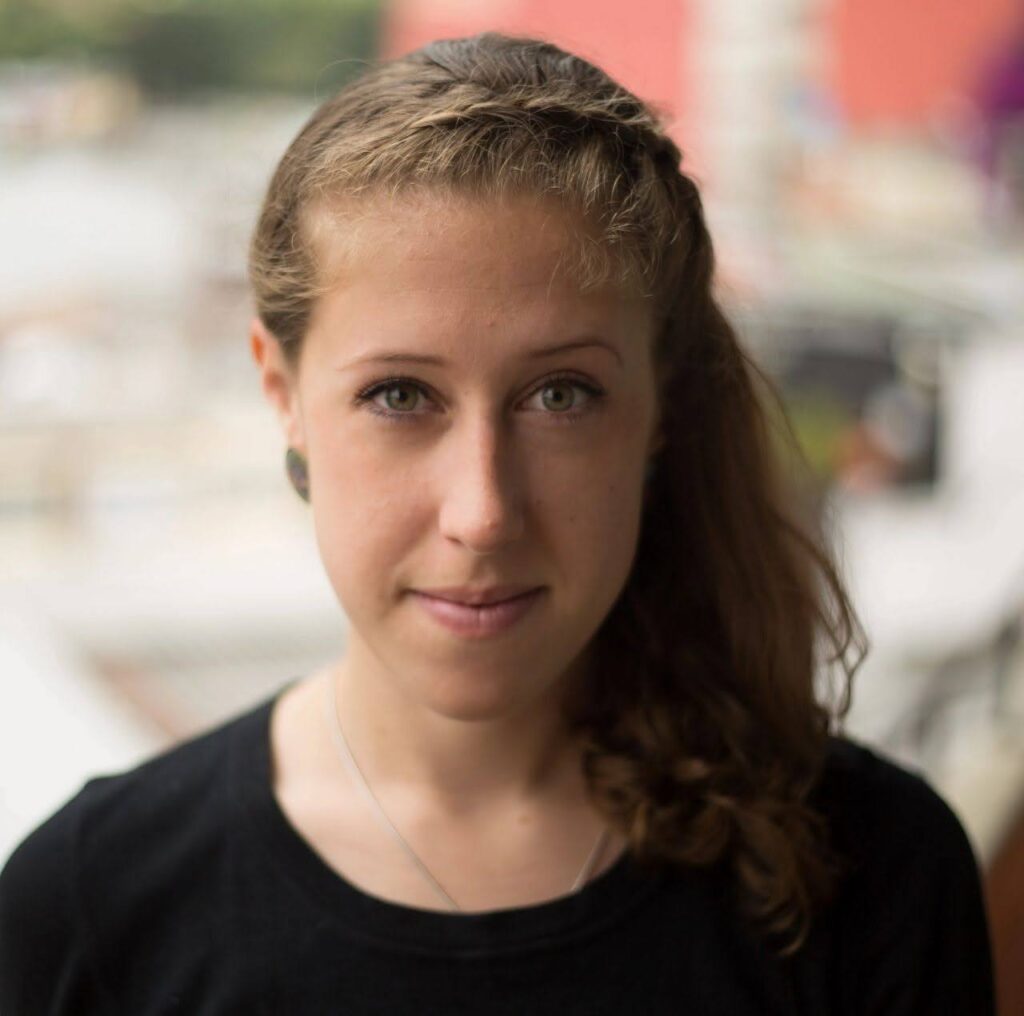
Julia Zulver

Wallenberg Academy Fellow at the Swedish Defence University, where she researches feminist responses to patriarchal backlash in Colombia, Mexico, and El Salvador. She previously held a Marie Skłodowska‑Curie Fellowship at UNAM and Oxford. Julia holds a DPhil and MPhil from the University of Oxford and is the author of High-Risk Feminism in Colombia (2022), winner of the Conflict Research Society’s Book of the Year. She co-edited The Right Against Rights in Latin America (2023) and works with Ladysmith and as an expert in gender-based asylum cases.

Simón Escoffier

Political sociologist focused on social movements, citizenship, and civil society in Latin America. He is Assistant Professor at the Pontificia Universidad Católica de Chile and a member of its Centre for Global Change. His recent books include Mobilizing at the Urban Margins and The Right against Rights in Latin America (2023). Simón holds a DPhil from Oxford and an MSc from LSE, and has advised the Chilean government and the IDB on inclusive policy.

Sandra Botero

Associate Professor of Political Science at Universidad del Rosario, Colombia. She is the author of Courts that Matter: Activists, Judges, and the Politics of Rights Enforcement (Cambridge University Press, 2023) and co-editor with Daniel Brinks and Ezequiel González-Ocantos of the book The Limits of Judicialization: From Progress to Backlash in Latin American Politics (Cambridge University Press 2022).

Nancy Tapias Torrado

Assistant Professor of Human Rights at the University of Waterloo. She holds a PhD in Sociology (Oxford) and is a trained human rights lawyer. Her research centers on Indigenous women’s leadership, mobilization, and responses to violence, climate change, and justice. Nancy has worked with Amnesty International, taught law at PUJ, and held postdoctoral roles at Concordia and UQAM. She also consults for the UN and NGOs, and has supported Colombian women human rights defenders in exile.

Kiran Stallone

Senior Researcher specializing in gendered violence, backlash, and civilian protection in conflict settings. She holds a PhD in Sociology from UC Berkeley and an MSc in Latin American Studies from Oxford. Her work has appeared in top journals and in the 2025 book Brave Women, co-edited with Julia Zulver. Kiran also consults on gender issues for UN agencies and NGOs, and is currently a Senior Researcher at Ladysmith and a 2025–2026 Radcliffe Fellow at Harvard.