

Corporate Accountability in Transitional Justice

Holding Economic Actors Accountable for Past Abuses

This project explores how business actors have been held accountable for their roles in authoritarian regimes and armed conflicts. Through data-driven research, strategic litigation support, and international collaboration, CATJ bridges the gap between academic inquiry and real-world justice efforts—centering victims’ rights in transitional justice processes around the world.
Why This Work Matters

Uncovering the role of economic actors in transitional justice

The Corporate Accountability and Transitional Justice (CATJ) project investigates how businesspeople have been held accountable for their complicity in violence during authoritarian regimes and armed conflicts. It brings together academic insight and legal action to support victims’ rights, in collaboration with Professor Leigh Payne (University of Oxford), Argentinean NGOs CELS and ANDHES, and the Colombian organization Dejusticia. By exploring how transitional justice (TJ) mechanisms can include corporate accountability, CATJ fills a crucial gap in global justice efforts.
Our Approach to Justice

Using data and collaboration to drive accountability

At the heart of CATJ is a comprehensive database designed to support both academic research and legal advocacy. It contains three key datasets that provide answers to when, where, how, and why victims are more likely to achieve justice in corporate-related cases:
balanza

Judicial proceedings

Domestic and international cases involving economic actors.
book

Truth commissions

References to business complicity in official reports.
Pajaro

Justice and Peace rulings

Mentions of economic actors in Colombia’s transitional justice judgments.
Book

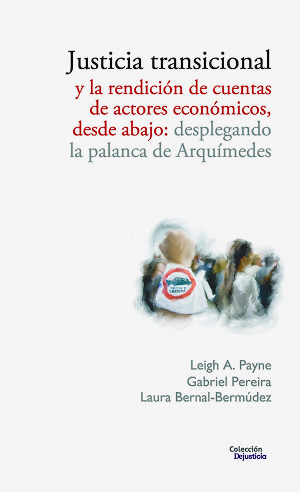
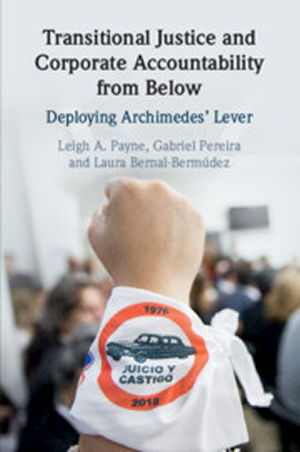
Transitional Justice and Corporate Accountability from Below: Deploying Archimedes’ Lever

Transitional Justice and Corporate Accountability from Below explores how domestic courts in the Global South, often more effective than international bodies, pursue corporate complicity in crimes like forced labor and financial support of dictatorships. It introduces the idea of “corporate accountability from below,” emphasizing grassroots legal efforts.

Publications

Key Publications and Research Outputs

Corporate Accountability in Transitional Justice
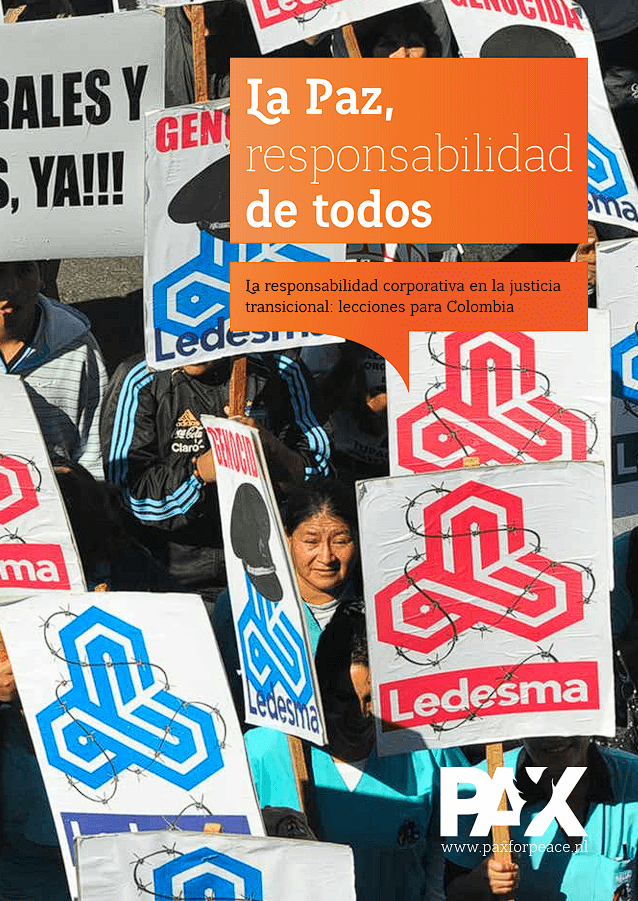
La Paz, Responsabilidad de Todos
The report highlights Colombia’s 2016 Peace Agreement and the need for equitable justice by holding all perpetrators, including business actors, accountable for human rights violations during the armed conflict.
Corporate Accountability in Transitional Justice
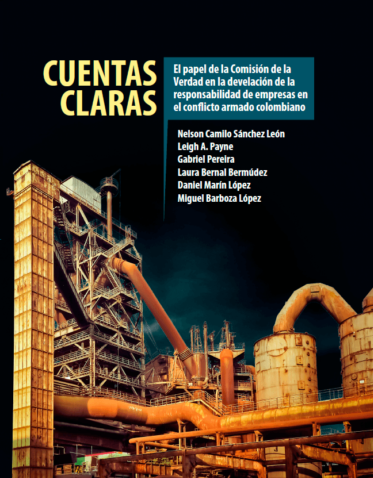
Cuentas claras: El papel de la Comisión de la Verdad en la develación de la responsabilidad de empresas en el conflicto armado colombiano
The Truth Commission (CEV) investigates corporate complicity in human rights violations during Colombia’s conflict. A joint Oxford–Dejusticia study provides strategic guidelines and empirical data to guide the CEV’s actions.
Corporate Accountability in Transitional Justice
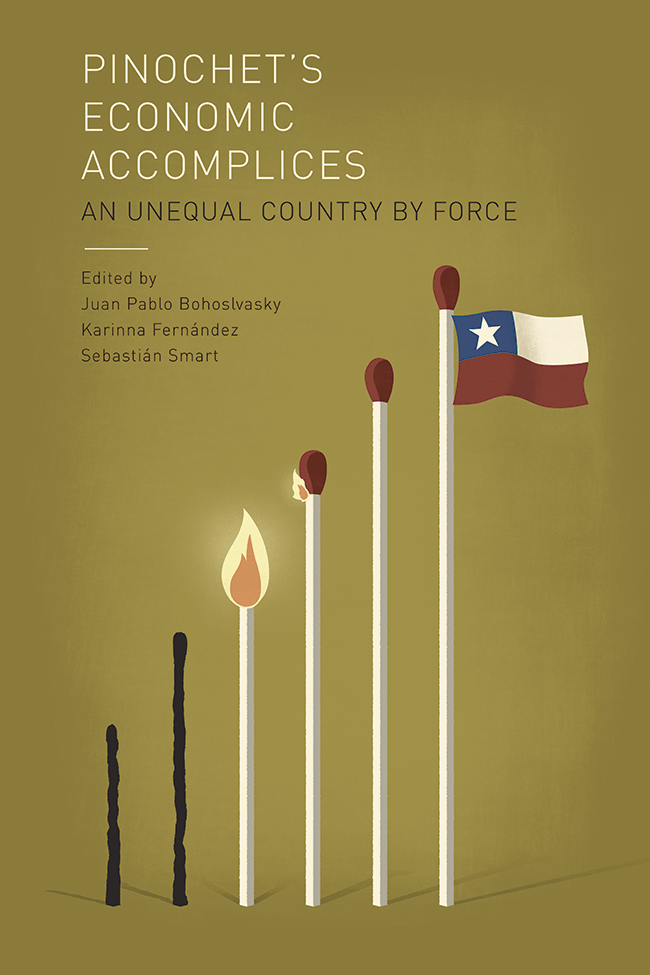
Book Chapter: “Transitional Justice and Economic Actors: Latin America’s Protagonism”
Pinochet’s Economic Accomplices” exposes how Chilean dictatorship-era economic actors enabled inequality, urging justice & reparations. A key read for Latin American, human rights, and economic scholars.
Corporate Accountability in Transitional Justice
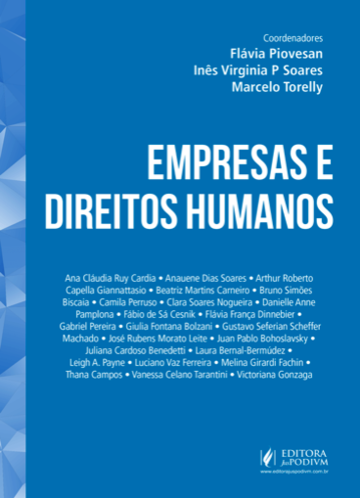
Bottom-Up Justice: Latin American Leadership in Corporate Complicity and Transitional Justice
21st-century human rights must address economic globalization & corporate power. This book explores state roles, victim protections, and strategies to hold businesses accountable, blending global insights with Brazil’s legal framework.
Corporate Accountability in Transitional Justice
Book Review: Transitional Justice and Corporate Accountability from Below
Criminology & Transitional Justice often ignore economic crimes. These books highlight corporate complicity in human rights abuses, focusing on Global South accountability efforts & Argentina’s capital flight under dictatorship, urging justice beyond traditional legal frameworks.
Corporate Accountability in Transitional Justice
Transitional Justice and Economic Actor Accountability from Below: Deploying Archimedes’ Lever
This book analyzes 300+ cases of economic actors prosecuted for Holocaust crimes & global corporate accountability efforts. Highlighting Latin America’s rise in ‘accountability from below,’ it shows how local tools challenge impunity despite corporate resistance.
Where Accountability Takes Root

Grounded in Latin America, relevant worldwide

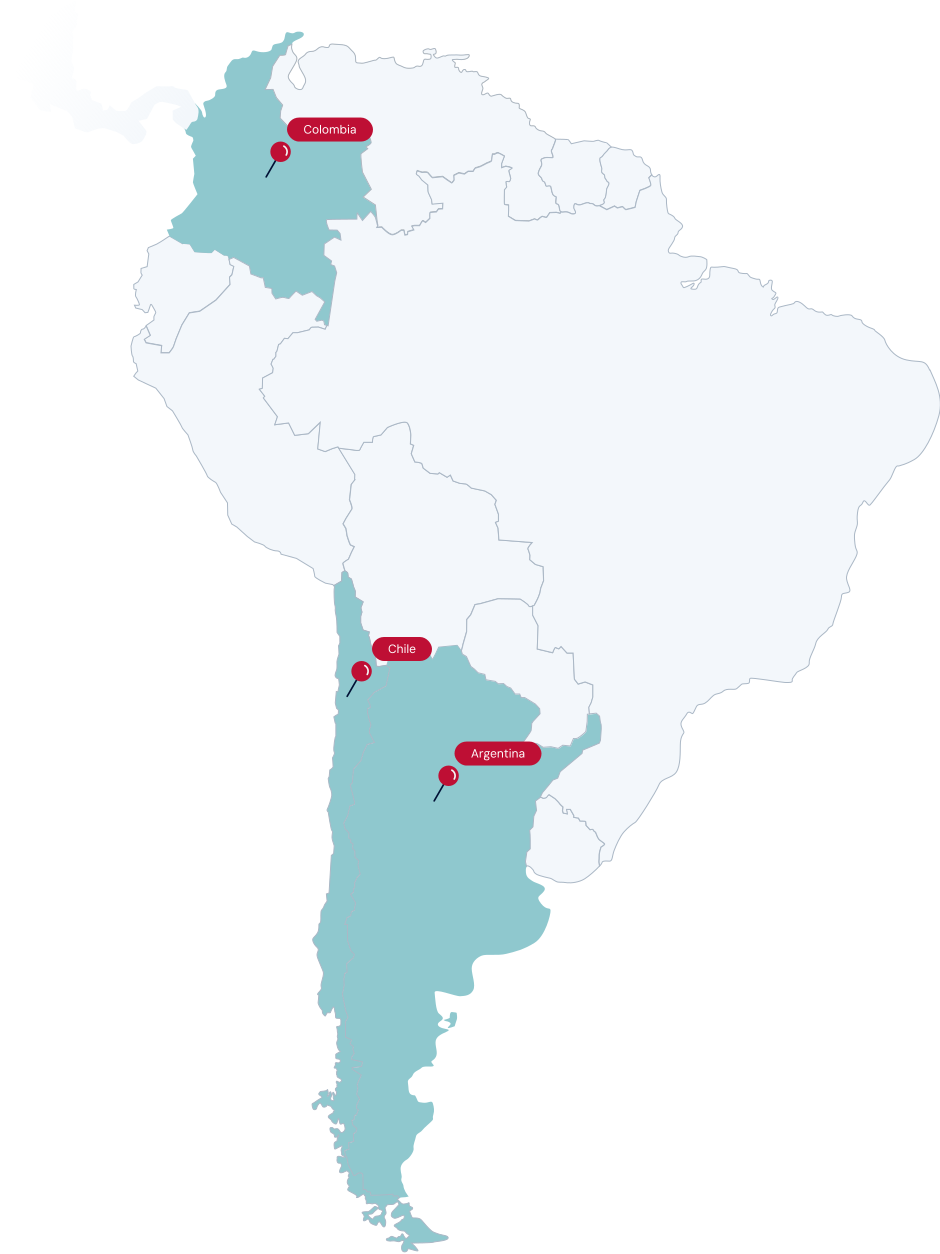
CATJ operates across several transitional justice contexts, with a strong foundation in Latin America:

  • Argentina – Strategic litigation around corporate complicity during the dictatorship.

  • Colombia – Legal and policy influence in the post-conflict era, particularly through the Justice and Peace process and after the Peace Agreement with the FARC.

  • Chile – Collaboration on accountability processes for businesses involved in past regime violence.

The project also contributes to broader global discussions on transitional justice, supporting scholars and civil society organizations seeking justice beyond Latin America.

Justice Through Collaboration

Collaboration across disciplines and regions to strengthen justice efforts

The success of the CATJ project is rooted in deep, sustained collaboration between academic institutions, civil society organizations, and human rights advocates. It began as a partnership between the University of Oxford, CELS, ANDHES, and Dejusticia—each bringing unique regional knowledge, legal expertise, and research capacity to the initiative.
Dejusticia-DARK-GREY-with-transparent-background 1
Colombian research and action center dedicated to promoting human rights and social justice. It focuses on strengthening the rule of law, combating inequality, and empowering vulnerable populations.
Layer 1 1
Foundational human rights NGO in Argentina, born amid repression and now active in combating both legacy injustices and current structural inequalities. Its work continues to shape domestic and international human rights politics.
logo-black@2x 1
ANDHES is a regional NGO based in Argentina’s northwest that brings together legal defense, public advocacy, and human rights education to promote social change related to justice, memory, equity, and collective rights.
photo_iachr 1
The IACHR is the entry point for individuals and groups seeking justice for human rights violations in the Americas. It investigates, issues recommendations, monitors situations across the hemisphere, and collaborates with the Inter‑American Court to enforce binding rulings—all under the umbrella of the OAS system.
Our team

Meet the Team Behind the Work for Justice

Different researchers, practitioners, and advocates from across the globe have contributed to the research projects, united by a shared commitment to human rights and accountability. With expertise spanning law, sociology, political science, and community engagement, we work collaboratively to support victims, produce impactful research, and drive systemic change.

Professor Leigh Payne

Professor of Sociology at the Latin American Centre and a member of St Antony’s College Governing Body. Her research focuses on building human rights cultures in the Americas by addressing past abuses and ongoing violations, with an emphasis on victims’ rights to truth, justice, and remedy. Her work explores transitional justice, justice from below, and contentious coexistence. She teaches Latin American sociology and human rights, and supervises graduate research in related areas, welcoming applications in these fields.

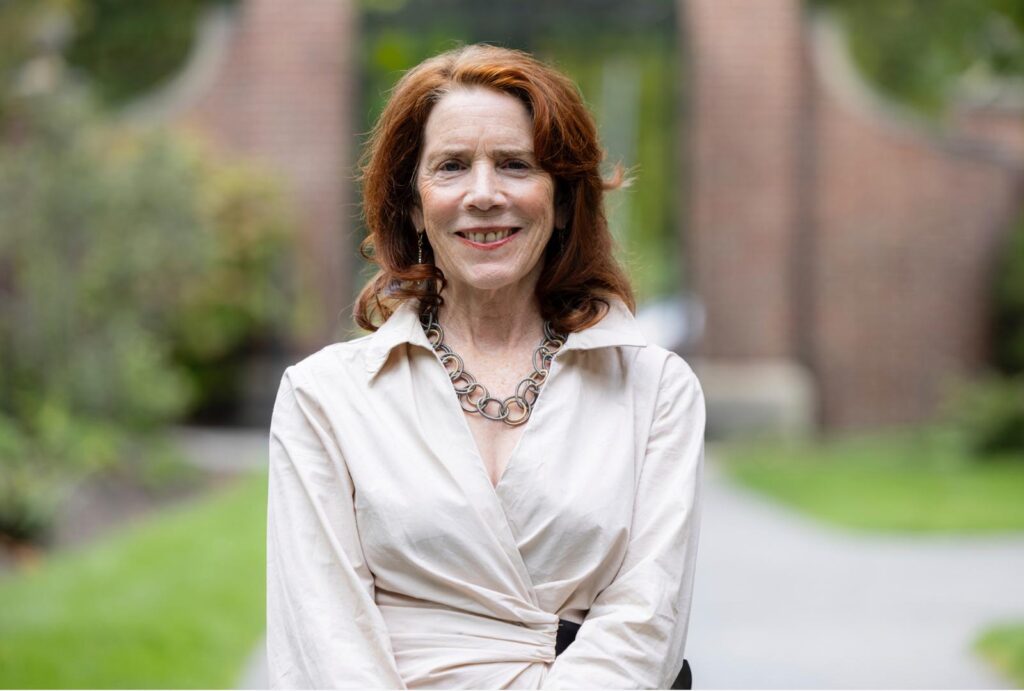
Barbara Frey

Director Emeritus of the Human Rights Program in the College of Liberal Arts at the University of Minnesota. Frey has been teaching international human rights at the University of Minnesota in both the Law School and the Institute for Global Studies since 1989. She speaks and publishes regularly on human rights topics, and has served in various positions related to human rights, in non-governmental and inter-governmental organizations as well as academic institutions.

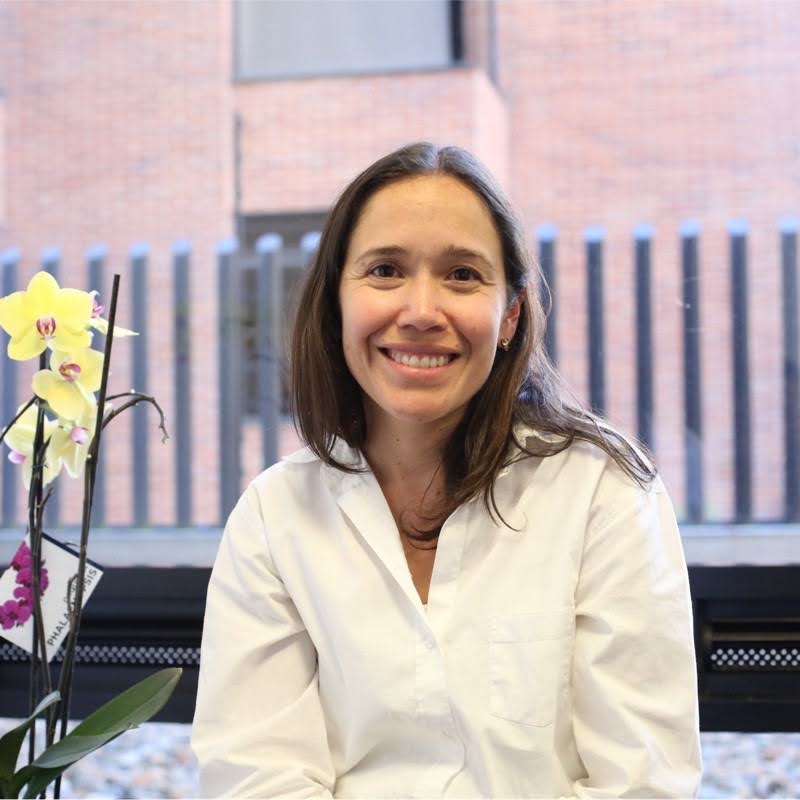
Karina Ansolabehere

Researcher at the Institute for Legal Research (IIJ) at UNAM. My areas of interest include legal policy, human rights, sociology of law, and political theory. Concerned with the role of legal institutions in protecting and defending the population in contexts of violence, I am currently developing two lines of research that combine these areas of interest: justice systems in response to serious human rights violations, and the socio-legal dynamics of violence and serious human rights violations.