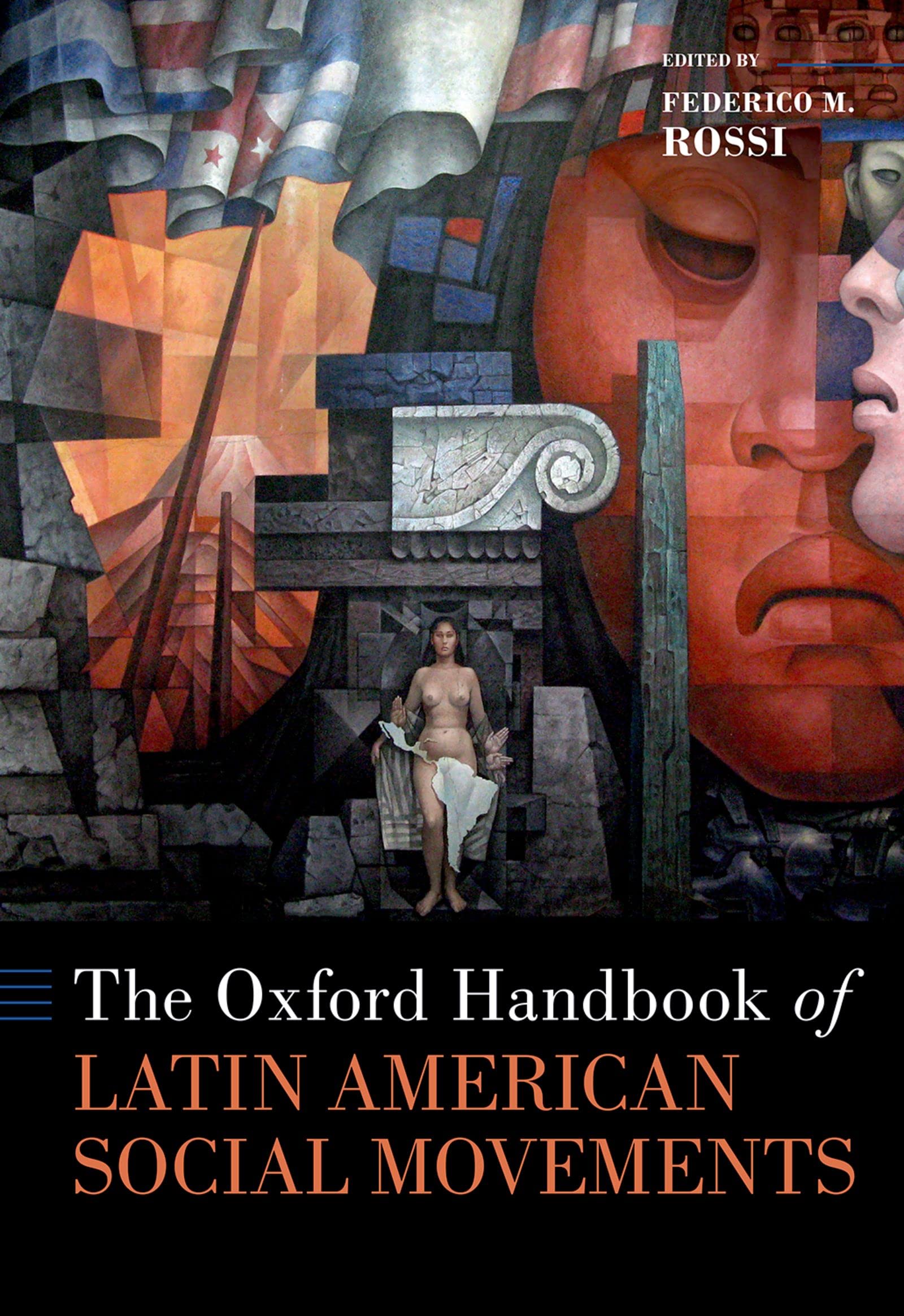
The vast enterprise of studies on right-wing movements in Europe only rarely travels outside a few national boundaries. Latin America is excluded from comparative analysis of the phenomenon. The region’s distinctive political history, and particularly its authoritarian past, is assumed to have created right-wing movements that are irrelevant to contemporary social and political life. This chapter challenges such a view. It contends that the parochialism and poverty of existing analytical frameworks for studying right-wing movements—and not the distinctiveness or irrelevance of the region’s movements—have led to the exclusion of the region’s movements from comparative studies. Right-wing movements have recently emerged in the region with a profound impact on Latin American social and political life. Incorporating them contributes to building analytical frameworks capable of traveling across continents, thereby deepening understanding of this important global phenomenon. The chapter uses social movement approaches, specifically political opportunity structure, framing, tactics, and impact, to establish three typologies of right-wing movements in the region: counter-movements, uncivil movements, and neoliberal militarized movements. It then applies this analytical framework to applicable case studies: El Salvador’s anti-abortion counter-movement, Brazil’s anti-LGBT+ uncivil movement, and Colombia’s militarized neoliberal movement.
Contact us

We use only essential cookies that keep this site working properly. We don’t collect or share personal data. You can accept or deny cookies at any time.